
Digital textile printing has changed what brands can ask for. Short runs, complex color work, and rapid turnaround are now routine expectations. But digital output on fabric has a limitation that screen printers know well: a printed area that feels like a film sitting on top of the cloth rather than part of it. On lightweight cotton and performance knits, that difference in breathability and hand-feel can decide whether a garment passes wear trials or fails them.
Breathable Digital Paste addresses this gap. It is a water-based material formulated for digital printing workflows, designed to deliver color and fastness while keeping the printed area air-permeable and soft. For digital printing factories, garment manufacturers, and fabric converters, understanding where this material fits can expand the range of work they can accept without compromising comfort.
This guide looks at how breathable digital paste performs in production, where it delivers the most value, and what technical teams should verify before adopting it. References draw on Caigle’s published product range for digital printing materials .
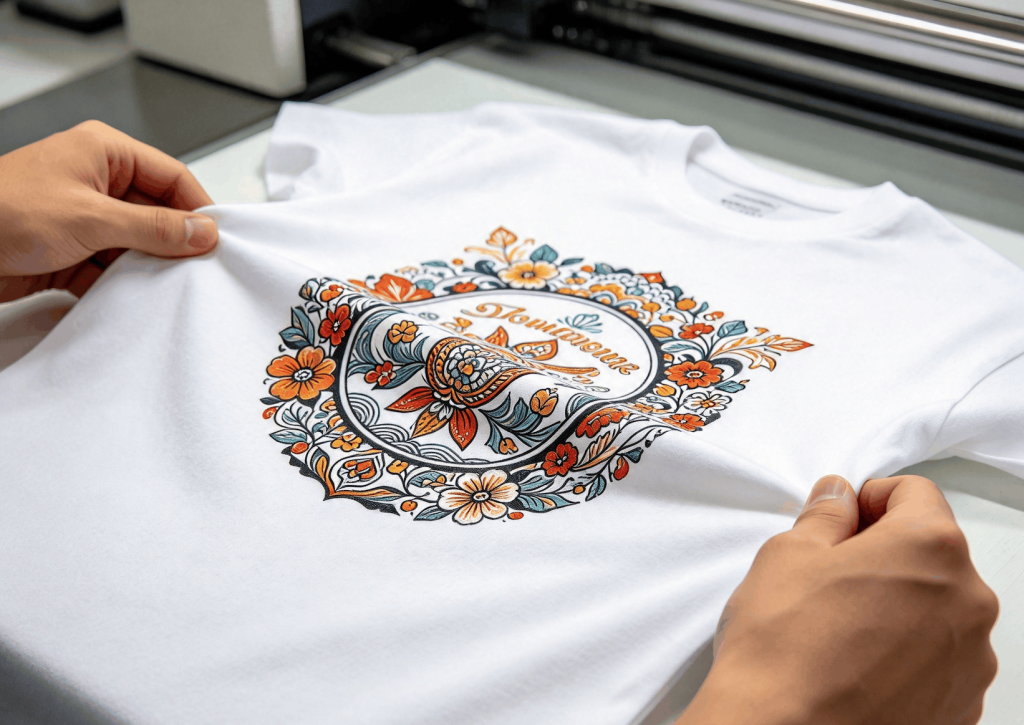
What Breathable Digital Paste Does
Digital printing on cotton and blends often involves a pretreatment step, followed by ink application, then curing. The pretreatment and the ink chemistry together determine how the print sits on the fabric. A system optimized purely for color vibrancy may produce a heavier film; a system optimized for softness may sacrifice fastness.
Breathable digital paste is positioned to balance these priorities. Caigle’s product listings include the 669 Breathable Digital Covering Paste for cotton fabrics, noted for good color fastness, and the 667 Breathable Digital White Paste, described with soft hand feel and good breathability . These materials are part of a broader digital printing portfolio that also includes DTG, DTF, and DTP inks.
The breathability characteristic matters most on garments worn close to the body—t-shirts, base layers, lightweight fashion tops—where a non-breathable printed panel can feel uncomfortable and trap heat.
Where Breathable Digital Paste Delivers the Most Value
Digital Printing Factories Working with Cotton
Cotton is the primary substrate for Caigle’s breathable digital paste products. The 669 covering paste is listed specifically for cotton fabrics with good color fastness, while the 667 white paste emphasizes soft hand feel and breathability .
For digital printing factories, these materials support the production of detailed, full-color prints on cotton without the heavy hand-feel that can result from a standard covering paste. The breathability factor becomes a selling point for brand clients who specify comfort performance alongside color accuracy.
Garment Manufacturers Producing Comfort-Critical Apparel
Brands in casual wear, underwear, and light activewear increasingly specify breathability requirements for printed areas. A print that blocks airflow across a large chest graphic can make a t-shirt uncomfortable in warm conditions, even if the base fabric is lightweight and air-permeable.
Breathable digital paste allows garment factories to meet these requirements while still delivering the color depth and detail that digital printing enables. The 667 white paste’s soft hand feel is relevant here: softness and breathability often go together, since both depend on a thin, flexible print film rather than a thick, continuous layer .
Fabric Converters and Coating Lines
Fabric coating operations that serve apparel brands may encounter breathable digital paste as part of a pretreatment or finishing system. Converters producing fabric for downstream digital printers should understand how the paste interacts with their base cloth and any existing finishes, since breathability performance depends on the full system, not just the paste.
Production Considerations for Breathable Digital Paste
Substrate Matching
Caigle’s 669 and 667 products are positioned for cotton and cotton-based fabrics . Factories working with synthetic blends, nylon, or polyester should confirm compatibility with the supplier before production, since breathability and adhesion characteristics can differ significantly across fiber types.
Pretreatment and Workflow Integration
Digital printing on cotton typically involves pretreatment to control ink bleed and improve color yield. Breathable digital paste fits within this workflow, but the interaction between pretreatment chemistry and paste formulation should be verified. Caigle’s range includes digital pretreatment solutions alongside its paste products, which suggests an integrated system approach .
Curing and Fastness Verification
Color fastness is a stated feature of the 669 covering paste . Factories should verify fastness through wash testing on their actual fabric and with their actual ink set, since curing conditions and ink chemistry both affect final performance. Caigle’s general guidance for its paste products recommends testing before mass production, and that applies equally here.
Breathability Testing
Breathability is not a single measurable property; it depends on the test method and the intended end use. Factories making breathability claims to brand clients should establish a testing protocol that reflects the garment’s actual wear conditions. The paste’s contribution to breathability should be evaluated as part of the finished printed fabric, not in isolation.
What to Look For in a Breathable Digital Paste Supplier
Digital printing materials are a system: pretreatment, paste, ink, and curing conditions all interact. A supplier who understands the full workflow can help factories avoid compatibility problems that only appear after production begins.
Caigle’s product range covers digital inks (DTG, DTF, DTP), digital pretreatment, and digital pastes including the breathable series . The company states that its products meet EU OEKO-TEX Standard 100 requirements and holds OEKO-TEX, SGS, BV, and GOTS certifications . For factories evaluating breathable digital paste, the availability of a coordinated material system from one supplier can simplify troubleshooting and reduce the risk of incompatible components.
For importers and distributors, the breadth of the digital portfolio matters. A supplier who can provide pretreatment, paste, and ink together reduces the number of vendors a factory must manage and the number of variables that can go wrong.
Conclusion
Breathable Digital Paste addresses a practical limitation of digital textile printing: the trade-off between color performance and comfort. On cotton and cotton blends, materials like Caigle’s 669 covering paste and 667 white paste are documented to deliver fastness and softness alongside breathability, giving digital printers and garment factories a way to meet brand comfort requirements without sacrificing print quality .
Factories that succeed with these materials are those that verify performance on their actual substrate, integrate the paste into their pretreatment and curing workflow, and test breathability and fastness against the standards their clients require. For digital printing operations serving comfort-critical apparel markets, breathable digital paste is worth evaluating as part of a coordinated digital printing system.
Frequently Asked Questions
What is breathable digital paste used for?
It is a water-based material for digital textile printing that delivers color and fastness while keeping the printed area air-permeable and soft. Caigle’s 669 covering paste is listed for cotton fabrics with good color fastness, and the 667 white paste is described with soft hand feel and good breathability .
Can breathable digital paste be used on fabrics other than cotton?
Caigle’s breathable digital paste products are listed for cotton fabrics . Factories working with synthetic blends or other fibers should confirm compatibility with the supplier before production.
Does breathable digital paste require pretreatment?
Digital printing on cotton typically involves pretreatment, and Caigle offers digital pretreatment solutions as part of its range . The interaction between pretreatment and paste should be verified for each fabric and workflow.
How is breathability measured?
Breathability depends on the test method and end use. Factories making breathability claims should establish a protocol that reflects actual wear conditions and test the finished printed fabric, not the paste in isolation.
Does Caigle provide both digital inks and pastes for a complete system?
Yes. Caigle’s digital range includes DTG, DTF, and DTP inks alongside digital pretreatment and breathable digital pastes, supporting a coordinated approach to digital printing .
Ready to Evaluate Breathable Digital Paste for Your Line?
Send Caigle your fabric specifications, digital printing workflow, and breathability requirements. The technical team can help you select the right paste and support integration with your existing pretreatment and ink system.
Contact Caigle today to request product documentation and discuss your breathable digital paste requirements.