News

Stable Printing Paste for Automatic Screen Printer

Stable Printing Paste for Automatic Screen Printer: Improving Print Consistency and Production Efficiency

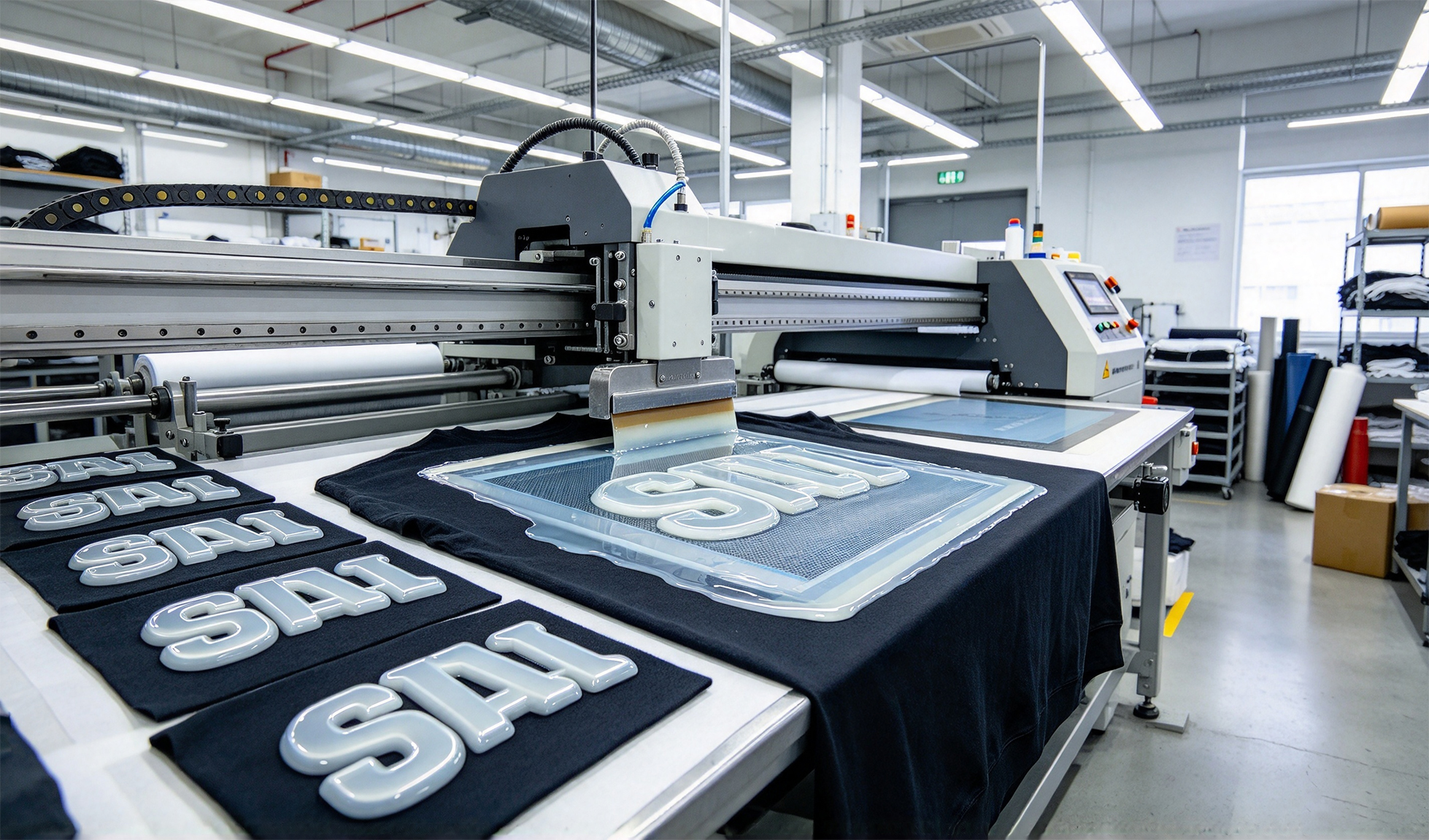
Automatic screen printing machines help textile factories improve production efficiency, maintain repeatable printing processes, and handle larger orders. However, machine performance alone cannot guarantee consistent printing results. The printing material must also maintain suitable characteristics throughout the production process. This is why choosing a Stable Printing Paste for Automatic Screen Printer is important for manufacturers seeking reliable textile printing quality. During continuous production, printing paste needs to maintain appropriate viscosity, smooth flow, consistent screen transfer, and good compatibility with the selected fabric. If the paste becomes too thick, too fluid, or difficult to transfer, it may affect print coverage, pattern definition, and production efficiency. These problems can become more noticeable when an automatic screen printer operates for extended periods. For screen printing factories, garment manufacturers, footwear producers, luggage and umbrella fabric processors, and home textile manufacturers, selecting a Stable Printing Paste for Automatic Screen Printer means considering the complete printing
Polyester Printing Paste: A Guide to Better Textile Printing Results

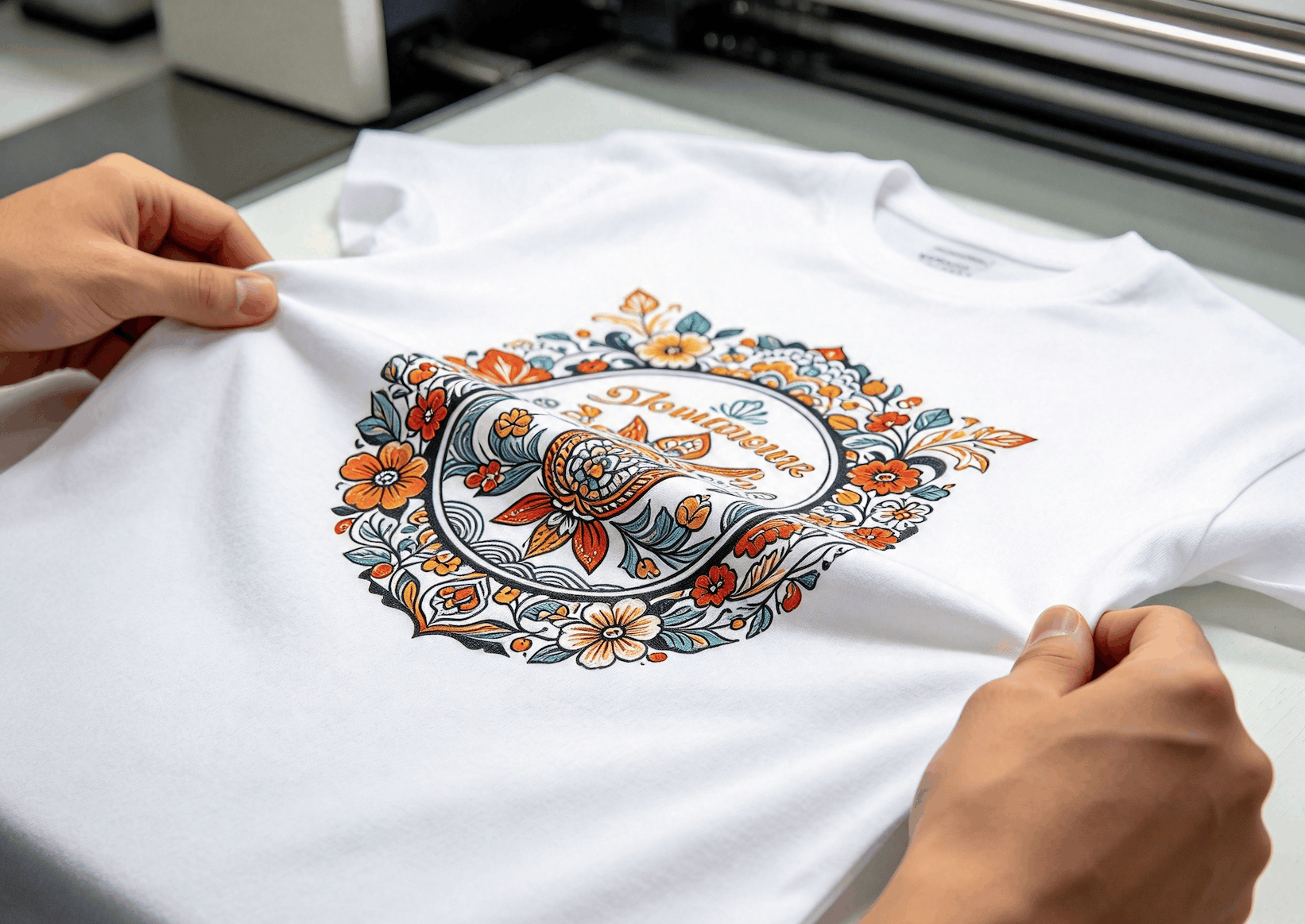
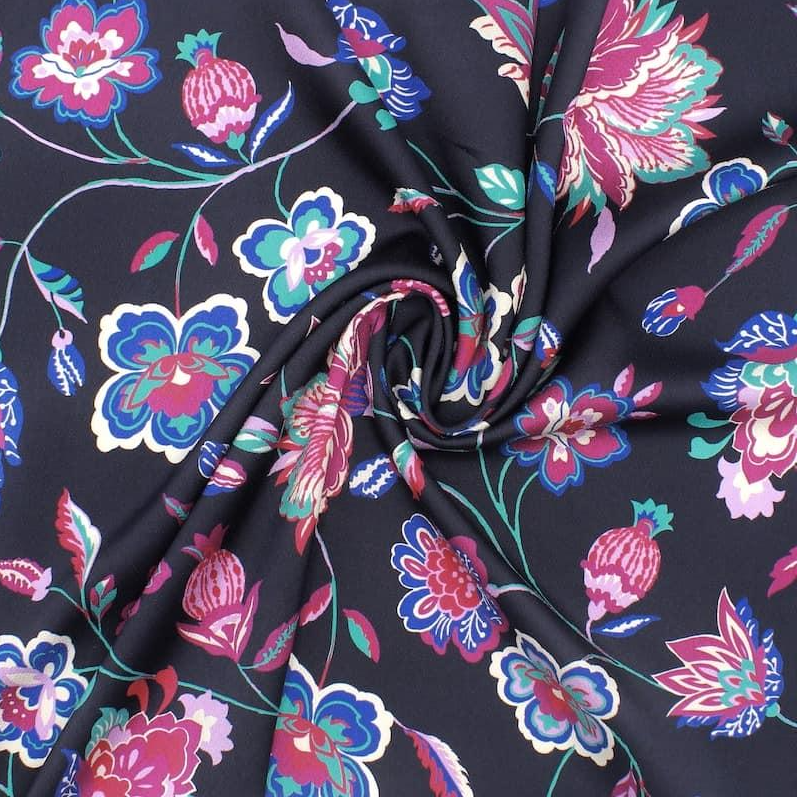
Polyester is widely used in modern textile manufacturing because of its durability, dimensional stability, lightweight structure, and versatility. It is found in sportswear, fashion garments, uniforms, bags, footwear materials, umbrellas, home textiles, and many other fabric products. As demand for polyester products continues to grow, textile printers need printing materials that can deliver consistent color, reliable adhesion, and an attractive finish. Choosing the right Polyester Printing Paste is an important part of this process. Polyester fabrics have different surface and dye characteristics from natural fibers such as cotton. In particular, heat-sensitive dye migration, fabric construction, and the intended end use can all influence the final printing result. A suitable Polyester Printing Paste should therefore be selected according to the fabric composition, printing method, required appearance, and production conditions. Simply choosing a general-purpose printing material may not address every challenge associated with polyester printing. This guide explains what Polyester Printing Paste

Screen Printing vs. Digital Textile Printing

Screen Printing vs. Digital Textile Printing: A Complete Guide to Textile Printing Methods

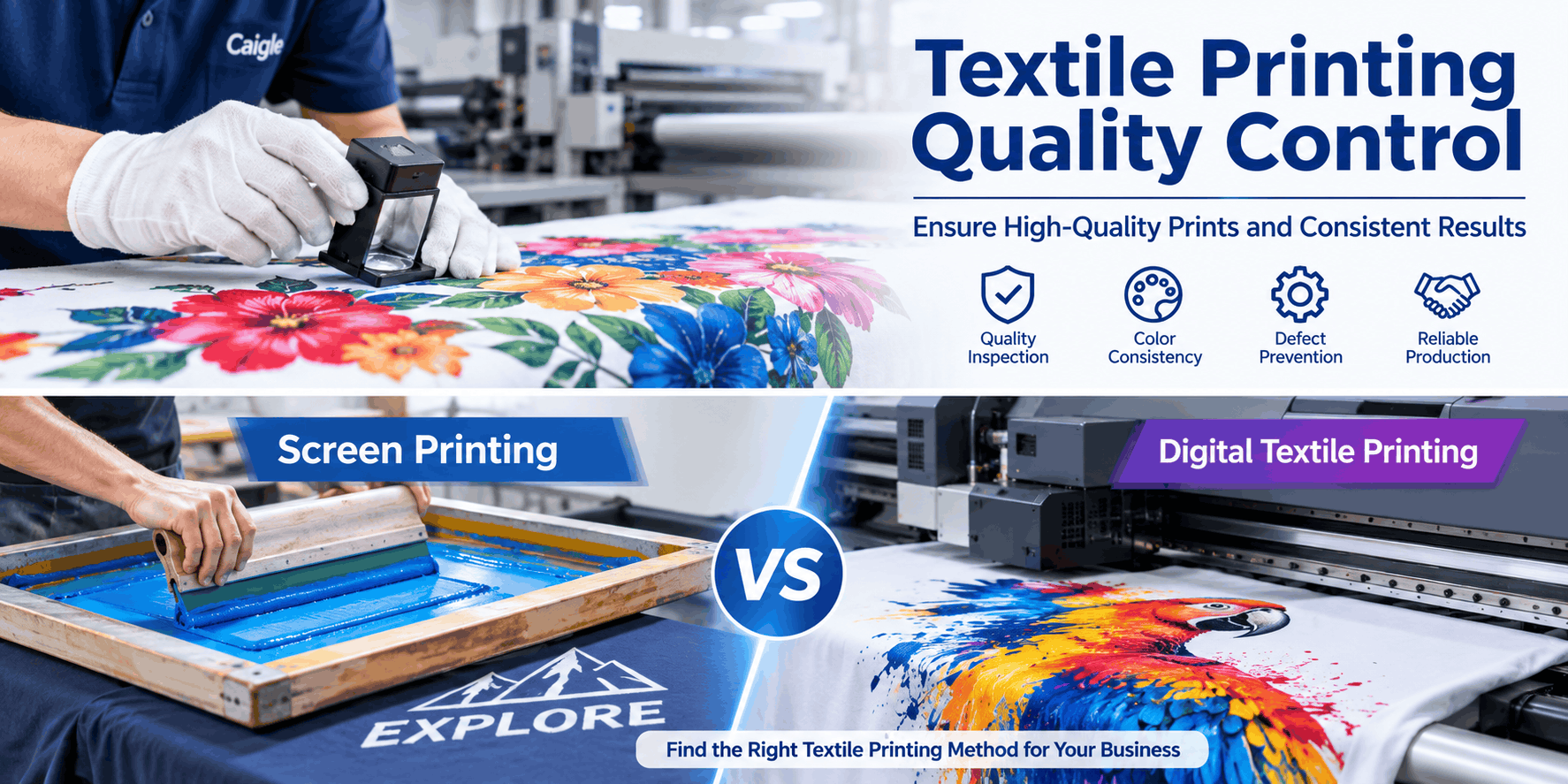
Choosing the right textile printing method can directly affect product quality, production efficiency and manufacturing costs. For garment factories, textile printing companies, fabric processors and printing material suppliers, Screen Printing vs. Digital Textile Printing is an important comparison when planning production. Both methods are widely used in textile decoration, but they differ in printing technology, material requirements, preparation procedures and suitable applications. Understanding Screen Printing vs. Digital Textile Printing helps manufacturers select a process according to fabric composition, order quantity, artwork complexity and expected print performance. Screen printing is often considered for repeat designs, established production workflows and special surface effects. Digital textile printing is attractive for customized designs, detailed images and flexible production schedules. However, neither method is automatically better for every project. A practical evaluation of Screen Printing vs. Digital Textile Printing should include the complete workflow, from artwork preparation and material selection to drying, curing and final

Textile Printing Material Selection Guide: Choose the Right Materials for Every Fabric

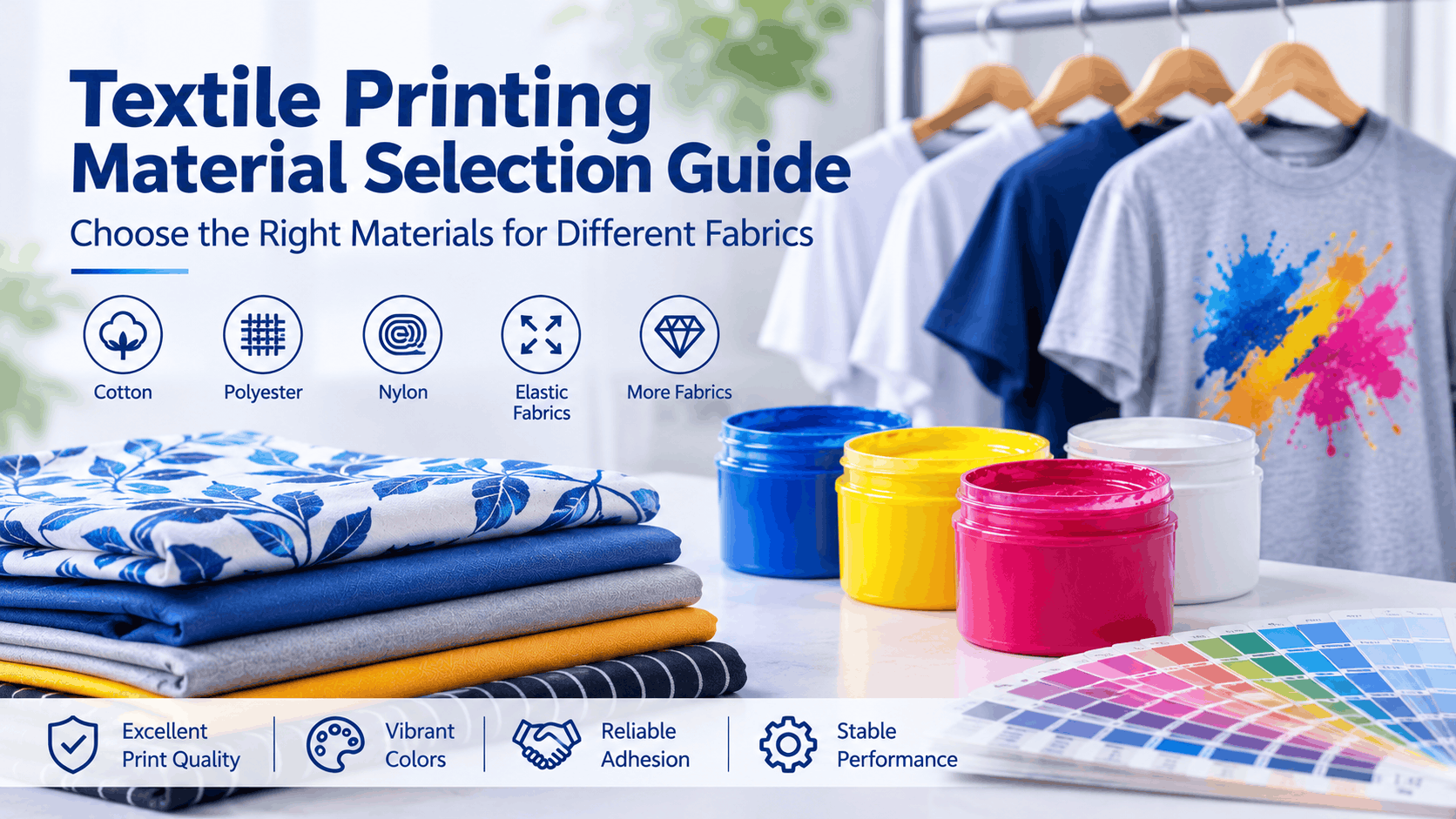
Choosing suitable printing materials is one of the most important decisions in textile manufacturing. Different fabrics have different surface structures, absorption characteristics, elasticity, and processing requirements. A printing material that works well on cotton may not produce the same result on polyester, nylon, or blended fabrics. For this reason, manufacturers need a systematic approach to material evaluation before starting production. This Textile Printing Material Selection Guide is designed for screen printing factories, digital textile printing companies, garment manufacturers, footwear producers, fabric coating processors, and overseas textile chemical distributors. It explains how fabric characteristics influence material selection, how different printing processes affect product requirements, and which performance factors should be evaluated before purchasing. Whether you produce garments, sportswear, shoes, bags, umbrellas, bedding, or decorative fabrics, understanding the relationship between fabric type and printing material can help reduce production problems and improve finished-product consistency. Why You Need a Textile Printing Material Selection

Matte Top Coating

Matte Top Coating: A Guide for Textile and Footwear Buyers

In competitive textile, footwear, and fabric processing markets, surface appearance can influence how customers perceive the quality of a finished product. Many brands are moving beyond high-gloss decorative effects and choosing more subtle finishes that create a refined, modern look. Matte Top Coating is one option manufacturers can evaluate when they need a low-gloss surface effect as part of a printing or finishing process. For screen printing factories, garment manufacturers, footwear producers, fabric coating processors, and textile chemical distributors, selecting the right Matte Top Coating involves more than choosing a visual effect. Buyers also need to consider substrate compatibility, adhesion, flexibility, process requirements, production consistency, and the intended use of the finished item. A coating that performs well on one material may not produce the same results on another. The most effective selection process therefore combines clear product requirements with practical testing and communication between the material supplier and production

Breathable Digital Paste

Breathable Digital Paste: Keeping Printed Cotton Soft and Air-Permeable

Digital textile printing has changed what brands can ask for. Short runs, complex color work, and rapid turnaround are now routine expectations. But digital output on fabric has a limitation that screen printers know well: a printed area that feels like a film sitting on top of the cloth rather than part of it. On lightweight cotton and performance knits, that difference in breathability and hand-feel can decide whether a garment passes wear trials or fails them. Breathable Digital Paste addresses this gap. It is a water-based material formulated for digital printing workflows, designed to deliver color and fastness while keeping the printed area air-permeable and soft. For digital printing factories, garment manufacturers, and fabric converters, understanding where this material fits can expand the range of work they can accept without compromising comfort. This guide looks at how breathable digital paste performs in production, where it delivers the most value,

the 48th ASGA Asia

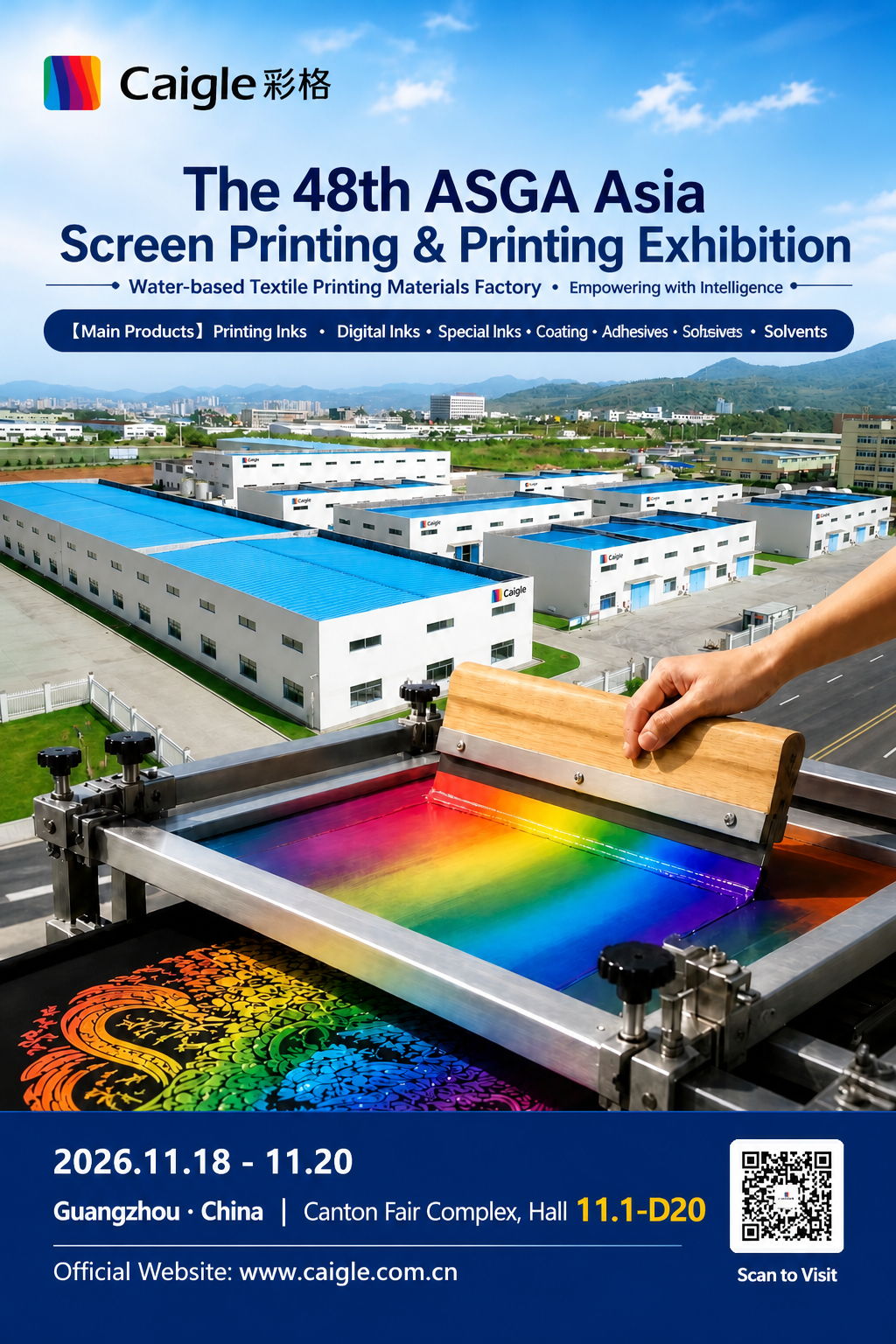
Meet Caigle at the 48th ASGA Asia-Pacific Screen Printing Exhibition!

Date: November 18–20, 2026 Venue: Area B, China Import and Export Fair Complex, Guangzhou, China Booth No.: 11.1-D20 Caigle is excited to participate in the 48th ASGA Asia-Pacific Screen Printing Exhibition! At the exhibition, we will showcase our comprehensive range of textile printing pastes and inks, offering visitors the opportunity to explore our products, experience on-site printing demonstrations, and discuss practical printing solutions with our professional team. As a provider of one-stop digital printing solutions, Caigle is committed to delivering reliable printing materials and dedicated support to customers worldwide. We warmly welcome industry professionals, partners, and customers to visit our booth, exchange ideas, and explore new opportunities together. We look forward to meeting you in Guangzhou! Caigle — Your Reliable Printing Partner.  

Flocking Paste

Flocking Paste for Suede-Like Texture: A Production Guide for Textile Printers

Flocking has a distinctive place in textile decoration. Unlike flat screen printing or digital output, flocking creates a raised, velvety surface that changes how a garment feels as much as how it looks. The effect is often described as suede-like, and it remains popular for logos, lettering, and decorative panels where tactile quality matters. Behind that soft surface sits a material that rarely gets attention: the flocking paste. This adhesive layer determines whether the flock fibers stay anchored through washing and abrasion, or whether they shed and fade after a few cycles. For screen printing factories, garment manufacturers, and fabric converters considering flocking as a decoration option, understanding the paste is as important as understanding the fibers. This guide examines how flocking paste performs in production, where it fits across product categories, and what technical teams should verify before committing to a supplier. Product references draw on Caigle’s published documentation

Nylon High Mesh Paste

Nylon High Mesh Paste: Getting Sharp, Durable Prints on Nylon, Swimwear, and Synthetic Fabrics

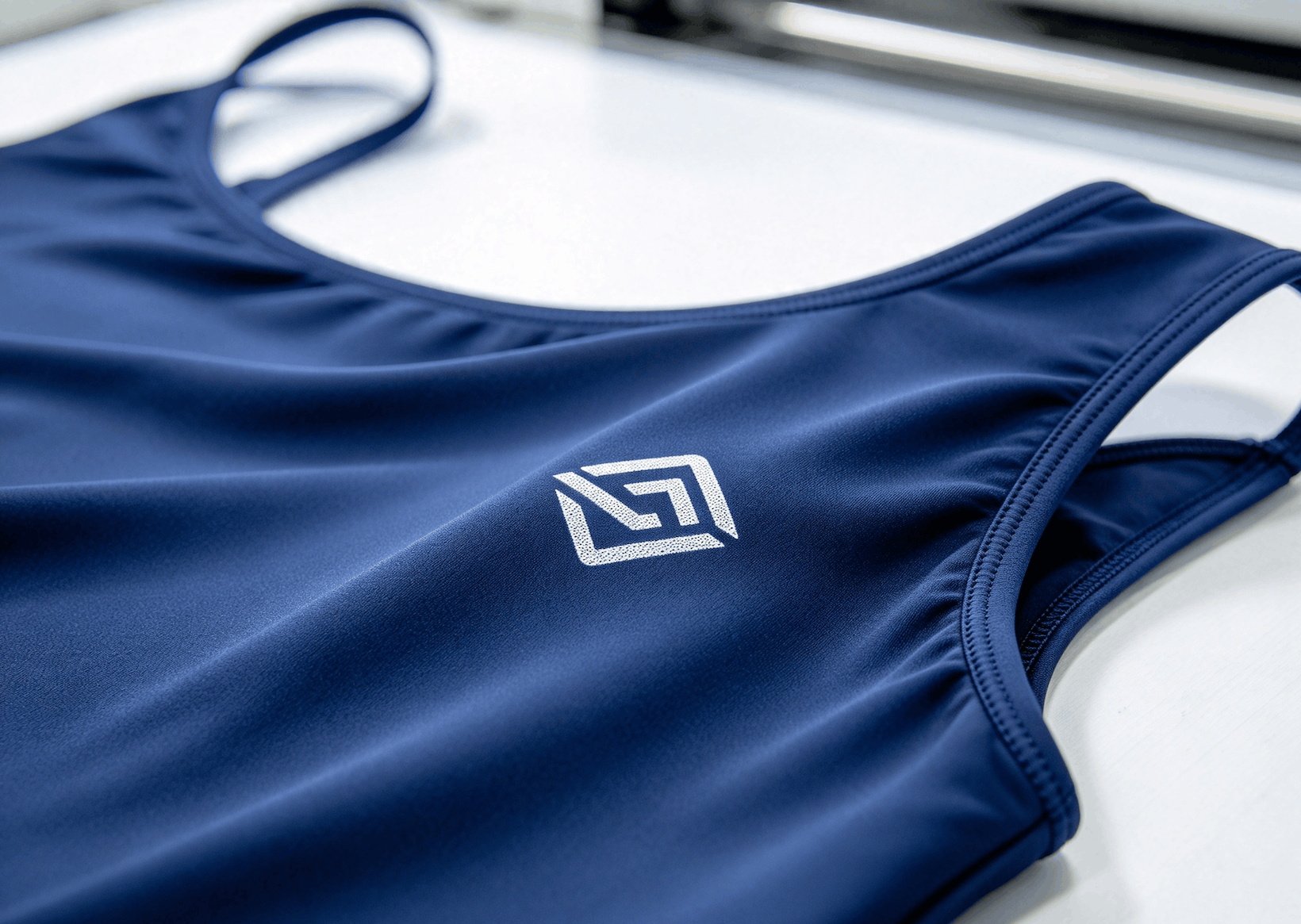
Nylon and polyester fabrics have a reputation in screen printing shops: they look simple on paper but cause problems on the press. The surface is smooth, the fabric stretches, and standard pastes that work beautifully on cotton often fail to anchor properly or lose detail through the mesh. When a job calls for fine lines, small text, or halftone detail on swimwear or synthetic activewear, the material choice becomes even more critical. Nylon High Mesh Paste exists to solve this specific combination of challenges. It is formulated for smooth synthetic surfaces while remaining fluid enough to pass through high-count mesh screens without clogging or losing definition. For factories producing swimwear, sportswear, bags, or any product where nylon and polyester are the base cloth, understanding how this material behaves can mean the difference between a clean production run and a batch of rejected goods. This guide covers where nylon high mesh

Soft Paste

Soft Paste for Textile Printing: A Practical Guide for Screen Printers, Garment Makers, and Fabric Converters

Print buyers have changed what they expect from decorated fabric. A graphic that looks sharp but feels like a plastic sheet against the skin is increasingly rejected at inspection, especially in apparel, bedding, and anything worn close to the body. That shift has pushed printing materials toward formulations that stay flexible, thin, and pleasant to touch while still surviving repeated laundering and stretching. Soft Paste sits at the center of this shift. It describes a family of water-based printing materials engineered to cure into a low-profile film that moves with the fabric instead of sitting on top of it. For screen printers, garment factories, footwear producers, and fabric coating lines, choosing the right formulation is less about picking a product name and more about matching chemistry to substrate, effect, and wash standard. This article looks at how these materials behave on real production lines, where they fit across product categories,

Embossed Silicone Gel

Embossed Silicone Gel: A Practical Guide for Textile Printing and Manufacturing Teams

Embossed silicone gel has moved from a niche decorative option to a mainstream requirement across garment, footwear, bag, and home textile production. Brand buyers now expect raised logos, tactile surface patterns, and dimensional branding that survives repeated washing, stretching, and daily wear. For screen printing factories, digital printing operations, and fabric coating lines, the challenge is not simply sourcing a silicone material—it is finding an embossed silicone gel system that behaves predictably across different substrates and production conditions. This guide examines how embossed silicone gel works in real manufacturing environments, where it fits across different product categories, and what production teams should evaluate before committing to a material supplier. It is written for the people who actually run the lines: printing factory managers, garment technicians, footwear material engineers, and importers sourcing textile chemicals for downstream clients. What Makes Embossed Silicone Gel Different from Standard Silicone Printing Standard silicone printing produces

Caigle 7 Degrees of Stability

Caigle 7 Degrees of Stability: A New Standard for Printing Paste Quality Introduction

In textile printing, quality is measured by more than the appearance of a design immediately after production. A printed garment must retain its color, withstand regular washing, move naturally with the fabric, and provide a comfortable surface feel. For printing factories and textile manufacturers, these characteristics influence product consistency, customer satisfaction, and the amount of rework required on the production floor. This is why Caigle 7 Degrees of Stability is an important part of Caigle’s approach to printing paste quality. The concept brings together seven key performance goals: resistance to fading under heavy friction, resistance to peeling after repeated washing, stretchability without cracking, a soft hand feel, resistance to sticking after contact, resistance to cracking at low temperatures, and attention to environmental and user-safety considerations. These are the seven characteristics presented on Caigle’s official Corporate Strength page. Rather than treating printing paste as a material that only adds color or

Scroll to Top