
Nylon and polyester fabrics have a reputation in screen printing shops: they look simple on paper but cause problems on the press. The surface is smooth, the fabric stretches, and standard pastes that work beautifully on cotton often fail to anchor properly or lose detail through the mesh. When a job calls for fine lines, small text, or halftone detail on swimwear or synthetic activewear, the material choice becomes even more critical.
Nylon High Mesh Paste exists to solve this specific combination of challenges. It is formulated for smooth synthetic surfaces while remaining fluid enough to pass through high-count mesh screens without clogging or losing definition. For factories producing swimwear, sportswear, bags, or any product where nylon and polyester are the base cloth, understanding how this material behaves can mean the difference between a clean production run and a batch of rejected goods.
This guide covers where nylon high mesh paste fits in production, how it performs across different synthetic substrates, and what technical teams should verify before committing to a material supplier. Product references and performance data come from Caigle’s published documentation for its nylon paste series .
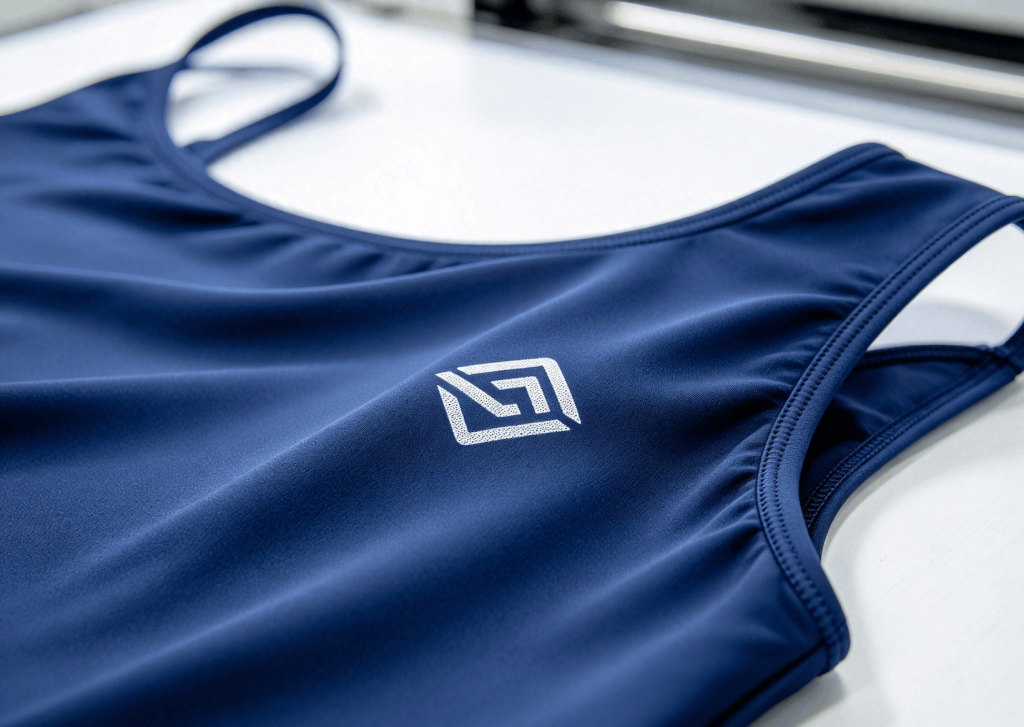
What Makes Nylon High Mesh Paste Different
The name describes two requirements that are often in tension. “High mesh” means the paste must pass through fine screens—typically in the higher mesh range—without drying in the openings or leaving ragged edges. “Nylon” signals that the cured film must adhere to smooth, often stretchy synthetic fabrics that resist water-based bonding more than cotton does.
Standard printing pastes are usually optimized for one or the other. A paste thin enough for high mesh detail may lack the adhesion needed on nylon. A paste with strong nylon bonding may be too thick for fine screens. Nylon high mesh paste is formulated to balance both: sufficient flow for detailed work, and sufficient grip for synthetic surfaces that flex and recover.
Caigle’s 531/532 Nylon Dot Paste is documented as a nylon high mesh white/clear paste with soft hand feel, good color development, good washing fastness, and good mesh passing performance. It is listed for polyester fabric, nylon fabric, and swimsuit fabric . These characteristics reflect the core purpose of the category: detail retention through fine mesh, combined with the durability that synthetic apparel demands.
Where Nylon High Mesh Paste Delivers the Most Value
Swimwear and Performance Apparel Production
Swimwear is one of the most demanding applications for any printing material. The fabric stretches in multiple directions, chlorine and salt water exposure are common, and the print must survive repeated laundering without cracking or peeling. Nylon high mesh paste is designed with these conditions in mind.
Caigle’s product line includes the 191/192 Swimsuit Nylon Paste alongside the 531/532 high mesh variant, indicating that the company addresses swimwear as a distinct category with specific performance requirements . Factories producing competitive swimwear or fashion swim lines should evaluate high mesh paste on their actual fabric, testing both detail sharpness through the screen and adhesion after stretch and wash cycles.
Screen Printing Shops Handling Fine Detail on Synthetics
For shops that regularly print small logos, fine typography, or halftone images on nylon and polyester, high mesh paste expands what is possible without switching to digital production. The material’s mesh-passing performance allows the use of higher screen counts, which translates to thinner ink deposits and sharper edges.
The practical production variables are mesh selection, squeegee pressure, and drying control. High mesh work leaves less room for error: a screen that clogs mid-run produces inconsistent detail, and a paste that dries too quickly in the mesh will stop production repeatedly. Humidity control in the shop becomes especially important with fine mesh counts.
Bags, Umbrellas, and Coated Synthetic Fabrics
Bag and umbrella manufacturers work with nylon and polyester fabrics that are often coated or treated for water resistance. These surfaces add another layer of adhesion difficulty. A high mesh paste formulated for nylon substrates can provide the detail retention needed for brand marks and decorative patterns while maintaining a bond that survives folding and handling.
Umbrella fabric, in particular, must fold and unfold repeatedly. A print that cracks along fold lines or lifts at the edges will fail quickly in the field. Testing on the actual coated fabric—not a generic nylon swatch—is essential before committing a production run.
Garment Factories Working with Synthetic Blends
While nylon high mesh paste is specifically named for nylon, many garment factories encounter polyester and nylon blends in activewear, outerwear, and fashion tops. The material’s compatibility with polyester fabric is documented in Caigle’s product listings, making it relevant beyond pure nylon applications . Factories should verify performance on their specific blend ratio and fabric finish, since coatings and softeners can affect adhesion.
Production Considerations for Nylon High Mesh Paste
Mesh Selection and Screen Preparation
High mesh printing demands clean, well-tensioned screens. A mesh count that is too low defeats the purpose of using a high mesh paste, while a count that is too high may cause intermittent clogging if the paste viscosity is not matched to the screen. Caigle’s documentation for related nylon products lists mesh ranges that can guide selection, though the 531/532 high mesh series should be evaluated at the higher end of typical ranges for detailed work .
Screen preparation matters more with fine mesh. Proper degreasing and emulsion thickness control help ensure that the paste releases cleanly and the stencil survives the run.
Humidity and Shop Conditions
Water-based pastes are sensitive to ambient humidity. Caigle’s technical documentation for its paste products generally recommends 40–70% humidity, with moisturizing agents needed below 40% to prevent screen blockage and extended drying time above 70% to avoid surface tackiness . These guidelines apply to high mesh work with particular force, since fine mesh openings clog faster than coarse ones.
Factories in dry climates or during winter months should plan for moisturizing agent additions and monitor screen condition throughout the run. Factories in humid climates should verify that the paste dries sufficiently between passes to avoid transfer or smearing.
Curing and Wash Durability
Proper curing is what turns a well-printed image into a durable one. Under-cured nylon high mesh prints may look fine coming off the press but fail in the first wash. Caigle’s product documentation for its paste range includes wash fastness testing under conditions such as 40°C water temperature and multiple wash cycles . These tests provide a reference point, but factories should confirm performance against the standards their brand clients require.
For swimwear and activewear, stretch recovery after washing is as important as color retention. A print that holds color but cracks when the garment is stretched has not met the requirement.
Substrate Testing Before Production
The single most valuable step before running a nylon high mesh job is a pre-production test on the actual fabric. Print a small sample, cure it according to the recommended schedule, then perform a wash test and a manual stretch check. This step catches adhesion problems, color migration issues, and curing deficiencies before they become production losses.
Caigle’s technical documentation notes that product performance data is obtained under specific experimental conditions and that actual use environments vary, recommending customer testing before mass production . This is standard and sound advice: the datasheet is a starting point, not a guarantee.
What to Look For in a Nylon High Mesh Paste Supplier
The supplier relationship matters as much as the material specification. Nylon and synthetic printing can go wrong in subtle ways—adhesion that seems fine initially but fails after washing, detail that looks sharp on the first print but degrades as the screen clogs. A supplier who understands these failure modes can help diagnose problems before they escalate.
Caigle has produced water-based textile printing materials since its founding, with a product range that includes nylon pastes, soft pastes, silicone series materials, and digital pretreatment solutions . The company states that its products meet EU OEKO-TEX Standard 100 requirements and holds OEKO-TEX, SGS, and BV certifications for its printing paste products . Factories evaluating nylon high mesh paste can review Caigle’s product documentation and discuss their specific substrate and detail requirements with the technical team.
For importers and distributors serving multiple downstream factories, consistency across shipments is critical. A paste that behaves differently from one container to the next creates problems throughout the supply chain.
Conclusion
Nylon High Mesh Paste addresses a specific production challenge: achieving fine detail through high-count screens while maintaining durable adhesion on smooth, stretchy synthetic fabrics. The factories that succeed with it are those that test on their actual substrates, control humidity and mesh conditions, and verify wash and stretch performance before committing to full runs.
For screen printers, swimwear manufacturers, bag and umbrella producers, and garment factories working with nylon and polyester, the priority should be a paste that balances detail retention with the durability that synthetic apparel and accessories demand. Caigle’s nylon paste range, including the 531/532 high mesh series, is documented for these applications and available for evaluation .
Frequently Asked Questions
What mesh count should be used with nylon high mesh paste?
Caigle’s 531/532 Nylon Dot Paste is described as a high mesh product with good mesh passing performance . Specific mesh recommendations should be confirmed with Caigle’s technical team based on the detail level and deposit thickness required. Higher mesh counts produce finer detail but require tighter control of paste viscosity and shop humidity.
Can nylon high mesh paste be used on polyester as well as nylon?
Yes. Caigle’s 531/532 product is listed for polyester fabric, nylon fabric, and swimsuit fabric . Performance should be verified on the specific fabric and finish, since coatings and treatments can affect adhesion.
Does it work for swimwear that will be exposed to chlorine?
Caigle offers a dedicated 191/192 Swimsuit Nylon Paste alongside the 531/532 high mesh series . For swimwear applications, discuss chlorine and salt water exposure requirements with the supplier and test accordingly. General nylon high mesh paste may be suitable for fashion swim, but performance swim requirements should be confirmed through testing.
How does nylon high mesh paste compare to standard nylon paste?
The high mesh designation refers to the paste’s ability to pass through finer screens while maintaining print definition. Standard nylon pastes may be formulated for broader coverage or different hand-feel priorities. The 531/532 series emphasizes mesh passing performance alongside soft hand feel and wash fastness .
Can Caigle help evaluate whether nylon high mesh paste is suitable for a specific fabric?
Yes. Caigle’s technical team works with factories on substrate compatibility, detail requirements, and production conditions. Sharing fabric samples and target performance criteria helps the team recommend the appropriate product and provide guidance on application parameters.
Ready to Evaluate Nylon High Mesh Paste on Your Line?
Send Caigle your fabric specifications, detail requirements, and wash performance targets. The technical team will help you select the right nylon paste product and support the transition from sample to stable production.
Contact Caigle today to request product documentation and discuss your nylon high mesh paste requirements.