Automatic screen printing machines help textile factories improve production efficiency, maintain repeatable printing processes, and handle larger orders. However, machine performance alone cannot guarantee consistent printing results. The printing material must also maintain suitable characteristics throughout the production process. This is why choosing a Stable Printing Paste for Automatic Screen Printer is important for manufacturers seeking reliable textile printing quality.
During continuous production, printing paste needs to maintain appropriate viscosity, smooth flow, consistent screen transfer, and good compatibility with the selected fabric. If the paste becomes too thick, too fluid, or difficult to transfer, it may affect print coverage, pattern definition, and production efficiency. These problems can become more noticeable when an automatic screen printer operates for extended periods.
For screen printing factories, garment manufacturers, footwear producers, luggage and umbrella fabric processors, and home textile manufacturers, selecting a Stable Printing Paste for Automatic Screen Printer means considering the complete printing process rather than focusing only on the initial appearance of a sample.
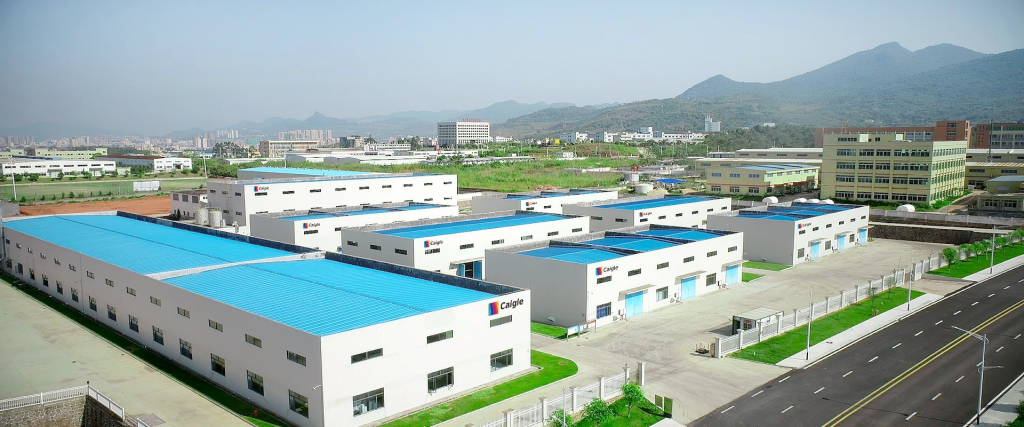
Caigle provides textile printing materials for different fabric applications. Its website also highlights printing paste stability as an important consideration for production. This article explains the characteristics of stable printing paste, common automatic printing challenges, material selection, and practical quality-control methods.

1. Why Stable Printing Paste for Automatic Screen Printer Matters
An automatic screen printer repeats the same printing movements across multiple products or fabric sections. To maintain consistent results, the printing paste needs to perform reliably under the selected machine settings.
A suitable Stable Printing Paste for Automatic Screen Printer should support controlled flow, consistent transfer, and uniform printing during the intended production process. These characteristics help operators maintain a repeatable printing setup and reduce variations between printed pieces.
Maintaining Consistent Printing Quality
In textile printing, even small differences in paste behavior can influence the finished pattern. Changes in flow or transfer may lead to uneven coverage, inconsistent color appearance, or unclear graphic details.
Stable printing paste helps manufacturers manage these variables by providing material characteristics suited to the selected screen and production conditions. However, print quality also depends on screen mesh, squeegee pressure, printing speed, fabric positioning, and curing conditions.
Supporting Continuous Production
Automatic screen printing is often used for orders that require repeated designs and consistent output. If the paste frequently needs adjustment or causes screen-related interruptions, production may become less efficient.
Using a Stable Printing Paste for Automatic Screen Printer that matches the machine and fabric can help establish a more predictable workflow. Proper preparation, storage, and process monitoring are equally important.
Reducing Unnecessary Production Adjustments
When printing paste behaves inconsistently, operators may need to make repeated adjustments to printing settings. This can make it harder to maintain the same result throughout a production run.
Selecting suitable printing paste and documenting the approved process can help factories reduce avoidable variation. The objective is not simply to increase printing speed, but to maintain a balance between production efficiency and finished-product quality.
2. Important Characteristics of Stable Printing Paste
Before choosing a Stable Printing Paste for Automatic Screen Printer, manufacturers should understand several material characteristics that influence automatic printing performance.
Consistent Viscosity and Flow
Viscosity affects how printing paste moves through a screen and transfers onto fabric. If the paste is unsuitable for the selected screen and design, it may create transfer problems or inconsistent coverage.
A suitable Stable Printing Paste for Automatic Screen Printer should maintain appropriate flow characteristics under the recommended application conditions. The required viscosity depends on the paste formulation, screen structure, printing method, and desired surface effect.
Factories should follow the supplier’s technical instructions when preparing or adjusting the material. Unapproved dilution or mixing can change its performance and make production results less predictable.
Smooth Screen Passage
The paste must pass through the screen in a controlled manner to reproduce the intended design. Poor screen passage may affect fine details, solid areas, and the overall uniformity of the printed pattern.
When testing a Stable Printing Paste for Automatic Screen Printer, observe how the material transfers during repeated printing cycles. Check for blocked screen areas, uneven deposits, or excessive material accumulation.
The screen itself should also be clean and suitable for the artwork. A material issue and a screen-maintenance issue can produce similar defects, so both should be examined.
Uniform Print Coverage
Uniform coverage is essential for designs that require consistent color and surface appearance. Variations in paste transfer can create visible differences between individual prints.
The printing paste should be evaluated with the actual fabric and screen setup. A suitable Stable Printing Paste for Automatic Screen Printer should support the required coverage without compromising pattern definition.
Suitable Hand Feel
The finished print should also meet the tactile requirements of the product. Apparel, sportswear, bedding, and decorative fabrics may have different expectations for softness and surface texture.
Paste quantity, print thickness, fabric structure, and curing conditions can all influence hand feel. Manufacturers should evaluate the finished textile rather than judging the paste only in its container.
3. Common Problems When Using Printing Paste on Automatic Screen Printers
Understanding common problems helps factories determine whether their printing paste, equipment, or operating process needs adjustment.
Uneven Printing and Color Variation
Uneven printing may result from inconsistent paste transfer, changes in viscosity, unsuitable screen conditions, or differences in fabric positioning.
If the problem appears during a long production run, compare samples collected at the beginning, middle, and end. This can help identify whether material behavior changes over time.
A Stable Printing Paste for Automatic Screen Printer should be evaluated under realistic production conditions instead of relying on a single short sample trial.
Screen Blocking and Inconsistent Transfer
Screen blocking can interrupt production and affect the definition of printed patterns. Possible causes include unsuitable material characteristics, dried paste, contamination, or incorrect screen selection.
Check the screen condition and review the paste preparation process before making adjustments. If the material continues to cause transfer difficulties, consult the supplier about its compatibility with the printing setup.
Changes in Paste Viscosity
Temperature, storage, handling, and production duration can influence the behavior of printing materials. Leaving containers open unnecessarily or storing paste under unsuitable conditions may affect its application characteristics.
To maintain a Stable Printing Paste for Automatic Screen Printer throughout production, factories should follow the supplier’s storage and handling instructions and monitor the material at appropriate intervals.
Inconsistent Results Between Batches
Different fabric lots, preparation procedures, machine settings, and curing conditions can create variations between production batches.
Keep records of the approved printing process, including fabric type, material preparation, screen configuration, and relevant operating settings. These records help production teams identify differences and reproduce successful results.
4. How to Choose Stable Printing Paste for Automatic Screen Printer
The best printing paste depends on the equipment, fabric, design, and intended finished product. Buyers should evaluate the following factors before selecting a product.
Match the Paste to the Automatic Printing Machine
Different automatic screen printers may use different screen configurations and operating conditions. The printing paste should be selected according to the machine’s requirements and the desired printing effect.
When contacting a supplier, provide information about the equipment, screen type, artwork, and production process. This makes it easier to discuss a suitable Stable Printing Paste for Automatic Screen Printer.
Consider Fabric Composition
Cotton, polyester, blended fabrics, stretch textiles, and coated materials can behave differently during printing. A paste suitable for one fabric should not automatically be assumed suitable for another.
For example, garment printing may require attention to softness and washing performance, while footwear materials may need additional evaluation of adhesion and flexibility.
Define the Desired Print Effect
The desired finish also influences material selection. Some applications require solid coverage, while others focus on fine details, decorative textures, or special surface effects.
Before purchasing, explain the expected appearance and functional requirements. Request a sample evaluation when necessary.
Review Technical Information
A reliable material-selection process should include product-specific technical information and clear application instructions. Buyers should confirm preparation, storage, processing, and testing requirements before mass production.
Do not assume that every printing paste has identical performance characteristics. The selected product must be verified for the intended application.
5. Applications of Stable Printing Paste in Textile Manufacturing
A Stable Printing Paste for Automatic Screen Printer may be considered for different textile industries when its characteristics match the substrate and production requirements.
Garment and Apparel Printing
Garment factories use automatic screen printing to produce T-shirts, sweatshirts, uniforms, promotional clothing, and fashion apparel. These products may require consistent colors, clear patterns, comfortable hand feel, and suitable washing performance.
For cotton, polyester, and blended garments, factories should test the paste on the actual fabric before production. Stretch garments also require attention to flexibility and resistance to cracking.
Sportswear and Stretch Fabric Printing
Sportswear often uses elastic fabrics designed to accommodate movement. Printing materials should be evaluated for their behavior when the fabric is stretched and returned to its original shape.
Caigle’s quality concept, 7 Degrees of Stability, includes stretchability without cracking as one of its performance goals. More information is available on the Caigle Corporate Strength page.
Footwear and Shoe Material Printing
Footwear manufacturers may print on textile uppers, decorative panels, and other fabric components. These materials can include different fiber compositions, coatings, and surface treatments.
A suitable Stable Printing Paste for Automatic Screen Printer should be tested on the actual shoe material to evaluate transfer, adhesion, flexibility, and appearance.
Luggage, Umbrella, and Bag Fabrics
Luggage, bags, and umbrella fabrics may have special surface properties or protective coatings. These characteristics can affect printing paste compatibility.
Before production, test the selected material on the specific substrate and confirm that the finished print meets the product’s visual and functional requirements.
Home Textiles and Decorative Fabrics
Bedding, curtains, cushions, and decorative textiles often require consistent patterns across larger fabric areas. Printing paste stability is important when factories need to reproduce the same design across multiple production batches.
Review color consistency, coverage, fabric hand feel, and relevant washing requirements during sample evaluation.
Caigle’s Applications page provides further information about the textile industries and product applications served by the company.
6. How to Test Stable Printing Paste Before Mass Production
A structured testing process helps determine whether a Stable Printing Paste for Automatic Screen Printer is appropriate for the intended application.
Step 1: Prepare the Actual Fabric
Use the same fabric composition, color, and surface treatment as the planned production material. If several substrates will be printed, evaluate them separately.
Step 2: Follow the Preparation Instructions
Prepare the printing paste according to the supplier’s instructions. Keep the preparation procedure consistent and avoid unapproved changes to the formulation.
Step 3: Conduct an Automatic Printing Trial
Test the material using the actual automatic screen printer whenever possible. Observe flow, screen passage, transfer, coverage, and the condition of the printed pattern.
Step 4: Inspect the Finished Sample
Evaluate the print for color consistency, definition, adhesion, hand feel, and other application-specific requirements. Washing, rubbing, or stretching tests may be appropriate depending on the finished product.
Step 5: Confirm Repeatability
A short trial cannot always represent long production runs. Collect samples at different production stages and compare the results to determine whether the printing process remains consistent.
7. Improving Printing Stability Through Process Control
Even a suitable Stable Printing Paste for Automatic Screen Printer requires correct handling and production management.
Factories should maintain consistent material preparation, keep screens clean, and follow recommended storage conditions. Operators should also monitor relevant machine settings and avoid unnecessary changes during a production run.
Regular inspection is another important step. Check samples at defined intervals and record any changes in print appearance or material behavior.
If a problem occurs, provide the supplier with information about the fabric, machine, screen, preparation process, and observed defect. This makes technical communication more effective and helps identify possible causes.
8. Why Explore Caigle Printing Paste Solutions?
Caigle focuses on textile printing materials for different manufacturing applications. Its official website presents printing paste products alongside digital printing materials, silicone products, and other textile-related solutions.
The company’s 7 Degrees of Stability concept emphasizes several printing paste quality considerations, including friction resistance, washing durability, stretchability, soft hand feel, resistance to sticking, low-temperature crack resistance, and environmental and health considerations.
These characteristics offer a useful framework for discussing printing paste quality. However, the suitability and performance of each individual product should be confirmed through its technical information and application-specific testing.
Manufacturers looking for a Stable Printing Paste for Automatic Screen Printer can start by exploring the Caigle Product Center. When requesting product guidance, provide the fabric composition, machine type, printing effect, and production requirements.
For more information about the company’s manufacturing and quality approach, visit Caigle Corporate Strength.
Conclusion
Choosing a Stable Printing Paste for Automatic Screen Printer is an important step toward consistent textile printing. Suitable viscosity, smooth screen passage, uniform transfer, and fabric compatibility all contribute to a more controllable production process.
For garment manufacturers, screen printing factories, footwear producers, luggage and umbrella fabric processors, and home textile companies, the best material should match the actual machine, substrate, and finished-product requirements.
Sample testing, correct material handling, and continuous quality inspection help factories identify suitable printing materials and maintain repeatable production results.
Caigle provides textile printing materials for different applications. If you are searching for a Stable Printing Paste for Automatic Screen Printer, contact Caigle with your fabric details, equipment information, and desired print effect. The team can help you explore suitable product options and discuss sample evaluation.
Visit the Caigle official website to learn more about its textile printing solutions.
FAQ: Stable Printing Paste for Automatic Screen Printer
1. What is Stable Printing Paste for Automatic Screen Printer?
It refers to printing paste selected for automatic screen printing processes, with attention to viscosity, flow, screen passage, transfer consistency, and compatibility with the target fabric.
2. Why is stable printing paste important for automatic screen printing?
Stable material behavior helps support consistent printing results during repeated production cycles. It can also help reduce variations caused by unsuitable paste flow or transfer characteristics.
3. How can I prevent printing paste from blocking the screen?
Follow the supplier’s preparation and handling instructions, maintain clean screens, and check whether the paste is suitable for the selected mesh and printing process.
4. Can one printing paste work on cotton and polyester?
Not necessarily. Different fabrics have different surface and fiber characteristics. Test the selected paste on each actual production substrate before mass printing.
5. How do I evaluate printing paste stability?
Conduct an automatic printing trial and inspect samples collected at different production stages. Evaluate coverage, print definition, material transfer, hand feel, and relevant durability requirements.
6. Where can I find Caigle printing paste products?
Visit the Caigle Product Center to explore available product categories or contact the company through its official website for application guidance.