
Polyester is widely used in modern textile manufacturing because of its durability, dimensional stability, lightweight structure, and versatility. It is found in sportswear, fashion garments, uniforms, bags, footwear materials, umbrellas, home textiles, and many other fabric products. As demand for polyester products continues to grow, textile printers need printing materials that can deliver consistent color, reliable adhesion, and an attractive finish.
Choosing the right Polyester Printing Paste is an important part of this process. Polyester fabrics have different surface and dye characteristics from natural fibers such as cotton. In particular, heat-sensitive dye migration, fabric construction, and the intended end use can all influence the final printing result.
A suitable Polyester Printing Paste should therefore be selected according to the fabric composition, printing method, required appearance, and production conditions. Simply choosing a general-purpose printing material may not address every challenge associated with polyester printing.
This guide explains what Polyester Printing Paste is, which factors affect its performance, how to select a suitable formulation, and how textile manufacturers can improve printing consistency. It also introduces practical considerations for garment factories, textile printing companies, and fabric processors working with polyester materials.
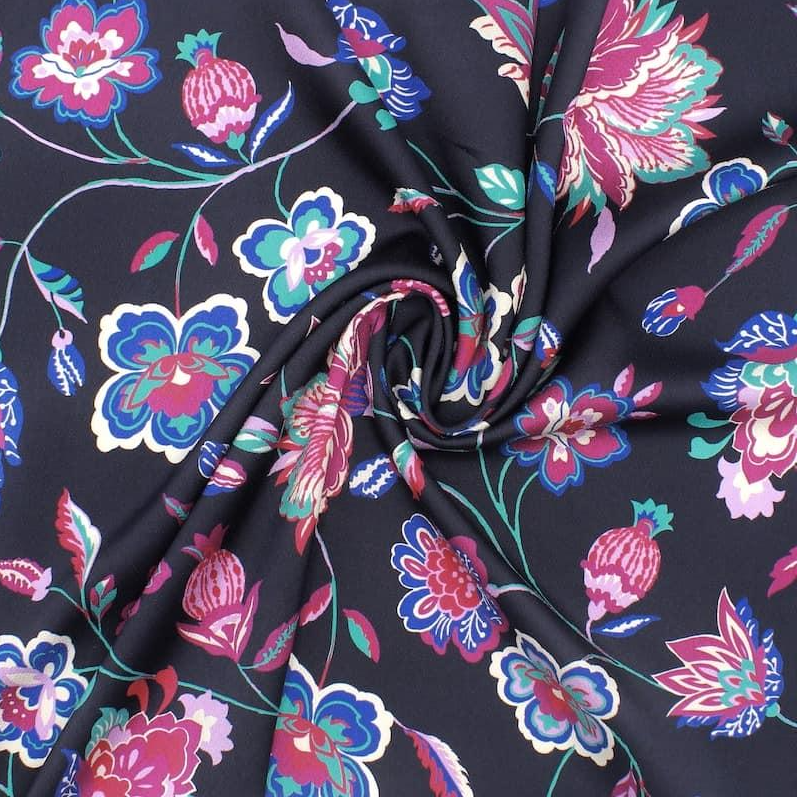
What Is Polyester Printing Paste?
Polyester Printing Paste refers to printing paste formulations selected or developed for applying patterns, logos, graphics, and decorative effects to polyester fabrics.
Depending on the printing system and product formulation, polyester printing paste may be used in conventional screen printing or other compatible textile printing processes. Its purpose is to help transfer the intended design onto the fabric surface and form a suitable printed layer after the required processing.
The performance of Polyester Printing Paste depends on several interconnected factors:
- Fabric compatibility: The formulation needs to match the polyester fabric’s surface, construction, and finishing treatment.
- Adhesion: The printed layer should attach appropriately to the fabric.
- Color appearance: The printing material should support the desired color depth, coverage, and visual effect.
- Flexibility: The finished print should suit the movement and handling requirements of the textile product.
- Processing compatibility: Printing, drying, and curing conditions should be appropriate for the selected formulation and fabric.
- Durability: The finished product should be evaluated against its intended washing, rubbing, stretching, and wearing conditions.
There is no single Polyester Printing Paste that automatically suits every polyester textile. A lightweight sportswear fabric, a polyester bag material, and a decorative polyester fabric may require different printing approaches.
For this reason, manufacturers should assess the complete application rather than selecting a product based only on the word “polyester.”
Why Polyester Fabric Requires Special Attention During Printing
Polyester has several characteristics that influence textile printing. Understanding these characteristics helps manufacturers choose Polyester Printing Paste more accurately.
1. Dye Migration and Sublimation
One of the most important challenges in polyester printing is dye migration.
Many polyester fabrics are colored using disperse dyes. Under certain heating conditions, some dyes can migrate from the fabric into the printed layer. This phenomenon may change the appearance of the printed design, especially when printing light colors over dark or brightly dyed polyester.
For example, a white or light-colored graphic printed on red polyester may become discolored if the fabric dye migrates during processing.
This problem is particularly important for sportswear, uniforms, and fashion products that use highly saturated polyester fabrics.
When dye migration is a concern, manufacturers should evaluate a suitable anti-sublimation printing system. The selection should consider the fabric dye, background color, printing material, and processing temperature. A dedicated anti-sublimation product may be more appropriate than an ordinary printing paste.
2. Fabric Surface and Construction
Polyester fabrics are available in many structures, including woven fabrics, knitted fabrics, microfiber materials, and stretch blends.
Different constructions can influence how printing paste spreads and attaches to the surface. A smooth fabric may behave differently from a textured or brushed polyester material.
Before selecting Polyester Printing Paste, manufacturers should identify the fabric construction and determine whether the surface has received any additional treatment, such as water-repellent finishing or coating.
3. Heat Sensitivity
Heat is commonly involved in textile printing and curing processes. However, polyester fabrics and their dyes may react differently to temperature compared with other materials.
Excessive or unsuitable heating can contribute to dye migration, fabric deformation, or changes in the final print appearance.
The processing conditions should therefore be confirmed through product guidance and practical testing. Manufacturers should not assume that the same curing settings will work equally well for every polyester fabric and printing paste.
4. Flexibility and Wearing Comfort
Polyester is widely used in sportswear and functional garments, where printed designs may experience repeated bending, stretching, and washing.
A printing layer that becomes too rigid may affect fabric comfort and could develop cracks under repeated movement.
When choosing Polyester Printing Paste for these applications, printers should evaluate the flexibility and hand feel of the finished print, not just its initial appearance.
Key Features to Evaluate in Polyester Printing Paste
Selecting a suitable Polyester Printing Paste involves balancing several performance requirements. The most important factors depend on the final product and the production process.
Stable Printing Performance
Stable printing performance is essential for factories handling repeated orders and large production volumes.
The printing paste should behave consistently during preparation and application. Significant changes in viscosity, spreading, or transfer can lead to uneven prints and unnecessary adjustments.
For automatic or continuous printing operations, manufacturers should pay particular attention to material consistency and compatibility with their equipment.
Good Adhesion to Polyester Fabric
Adhesion is a basic requirement for a durable printed design.
If the printing material does not match the fabric surface, the printed layer may show poor attachment, peeling, or other defects during use.
A practical adhesion evaluation should be carried out using the actual polyester fabric and the intended printing process. The results should be checked after the material has completed the recommended processing steps.
Appropriate Color Coverage
Different polyester products have different appearance requirements.
A fashion garment may require a soft and visually balanced print, while a sportswear logo or promotional design may need stronger color coverage.
When evaluating Polyester Printing Paste, consider:
- Whether the printed color matches the approved sample.
- Whether the coverage is uniform across the design.
- Whether the printed edges remain clear.
- Whether the material is suitable for the background fabric color.
- Whether additional layers are needed to achieve the desired appearance.
Flexible and Comfortable Finish
The hand feel of a printed fabric is important, especially for products worn directly against the skin.
A suitable Polyester Printing Paste should be evaluated for its surface texture and flexibility after processing. The ideal result depends on the fabric weight, print area, design thickness, and end-use requirements.
Resistance to Everyday Use
The finished print may be exposed to washing, rubbing, folding, stretching, and other forms of mechanical stress.
Testing should reflect the actual use of the finished product. A garment, umbrella, bag, and decorative textile may require different durability evaluations.
Manufacturers should define the required performance before production and confirm that the selected Polyester Printing Paste can meet those application requirements.
Common Applications of Polyester Printing Paste
Polyester is used across a wide range of textile industries. The most suitable printing paste depends on the specific fabric and finished product.
Sportswear and Activewear
<PRIVATE_PERSON>olyester is a common material in sportswear because it is lightweight, durable, and suitable for many performance fabric constructions.
Typical applications include:
- Running shirts
- Training tops
- Football jerseys
- Cycling apparel
- Team uniforms
- Fitness clothing
For these products, Polyester Printing Paste should be evaluated for flexibility, adhesion, and compatibility with the fabric’s dye system. Stretch testing is particularly important when the fabric contains elastane or other elastic fibers.
Fashion and Casual Garments
Polyester is also used in T-shirts, jackets, dresses, promotional clothing, and other fashion products.
Printing requirements may include brand logos, decorative graphics, lettering, and large-area patterns.
A suitable Polyester Printing Paste should match the desired appearance and fabric hand feel. For dark polyester garments, dye migration should be considered when selecting the printing system.
Bags and Luggage Fabrics
Polyester fabrics are widely used in backpacks, travel bags, shopping bags, and other textile accessories.
These products may experience frequent handling and friction. Printing material selection should therefore consider adhesion, surface durability, and the texture of the fabric.
Umbrellas and Outdoor Textile Products
Polyester is commonly used in umbrella fabrics and selected outdoor textile products.
Printing on these materials may involve special surface treatments or functional coatings. Manufacturers should check whether the fabric finish affects paste adhesion and whether the selected printing system is compatible with the intended processing conditions.
Home and Decorative Textiles
Polyester is also used in curtains, cushion covers, bedding, and decorative fabrics.
For these applications, color consistency and visual appearance are important, particularly when multiple fabric pieces need to match within one order.
The printing paste should be selected according to the fabric structure, desired surface effect, and expected maintenance conditions.
Caigle’s application range includes garments, shoes, luggage, umbrellas, bedding, and decorative fabrics. You can explore the company’s textile application areas on the Caigle Applications page.
How to Choose the Right Polyester Printing Paste
A systematic selection process can help reduce printing defects and improve production efficiency.
Step 1: Identify the Exact Fabric Composition
Start by confirming whether the material is 100% polyester or a polyester blend.
A polyester-spandex fabric, for example, may require different flexibility considerations from a standard polyester woven fabric.
Also check the fabric weight, construction, surface texture, color, and finishing treatment. These details provide a better basis for selecting the printing material.
Step 2: Define the Printing Method
The printing method affects material requirements.
Screen printing, for example, involves considerations such as viscosity, screen passage, transfer behavior, and print-layer thickness.
Do not assume that a paste designed for one process is automatically suitable for another. Confirm the intended application with the material supplier before production.
Step 3: Check Dye Migration Risk
Determine whether the polyester fabric is dyed with disperse dyes and whether the planned heating process could cause migration.
Pay particular attention to dark or highly saturated fabric colors when printing white or light-colored designs.
If necessary, test a dedicated anti-sublimation solution. Caigle also features anti-sublimation-related materials within its textile printing solution range. The appropriate product should be confirmed according to the fabric and application.
Step 4: Confirm the Desired Print Effect
Clarify whether the final design requires high coverage, a soft finish, a flexible surface, a special texture, or a particular color appearance.
These requirements help determine which type of Polyester Printing Paste should be evaluated.
Step 5: Conduct Sample Testing
Before mass production, prepare samples using the actual fabric, printing equipment, and processing conditions.
Check the printed sample for:
- Color appearance and consistency.
- Adhesion to the polyester surface.
- Dye migration or discoloration.
- Flexibility and hand feel.
- Washing and rubbing performance.
- Compatibility with the intended production process.
Sample testing is especially important when changing fabric suppliers, dye batches, printing materials, or curing conditions.
Common Polyester Printing Problems and Practical Solutions
Even when a suitable Polyester Printing Paste has been selected, printing quality can still be affected by process conditions.
Dye Migration After Heating
Possible cause: Polyester dye moves into the printed layer during heating or curing.
Practical approach: Review the fabric dye system and processing temperature. Evaluate an appropriate anti-sublimation printing solution and test it on the actual fabric before mass production.
Poor Adhesion
Possible cause: The printing material is not compatible with the fabric surface, or the fabric has a special coating or finish.
Practical approach: Confirm fabric composition and surface treatment. Test a compatible formulation and follow the supplier’s recommended processing instructions.
Uneven Color Coverage
Possible cause: Inconsistent paste preparation, unsuitable viscosity, uneven printing pressure, or variations in the fabric surface.
Practical approach: Check material mixing, printing parameters, screen condition, and fabric consistency. Compare samples from different production positions to identify the source of variation.
Cracking on Stretch Fabrics
Possible cause: The printed layer does not have sufficient flexibility for the fabric’s stretch requirements, or the print layer is too thick.
Practical approach: Select a printing system suitable for the fabric’s elasticity. Evaluate the finished print through repeated stretching tests.
Inconsistent Results Between Batches
Possible cause: Differences in fabric dye lots, material preparation, storage, equipment settings, or processing conditions.
Practical approach: Establish a consistent sample approval process and record important production parameters. Check incoming materials and compare each new batch with the approved reference sample.
Why Work with Caigle for Textile Printing Materials?
Choosing a printing material supplier involves more than comparing product names. Manufacturers need to understand the supplier’s product range, technical knowledge, production capabilities, and ability to support different textile applications.
Caigle focuses on textile printing materials and related solutions. Its product portfolio includes printing paste, digital coating ink, silicone materials, and shoe material products.
For polyester-related applications, customers can discuss their fabric composition, printing method, color requirements, and potential dye migration concerns with the Caigle team. This information helps identify suitable products for sample evaluation.
Caigle’s printing paste range is presented around its seven stability standards, covering characteristics such as resistance to fading under friction, resistance to peeling after washing, stretch performance, soft hand feel, resistance to sticking, low-temperature cracking resistance, and environmental considerations.
These characteristics provide useful reference points when evaluating printing paste quality. However, the performance of a specific product should always be confirmed through its technical information and testing under the customer’s actual production conditions.
To learn more about Caigle’s company background and manufacturing focus, visit the Corporate Strength page. You can also visit the official Caigle website to explore its product and application information.
Conclusion
Choosing the right Polyester Printing Paste is essential for achieving consistent and attractive results on polyester textiles. Unlike cotton printing, polyester printing requires particular attention to dye migration, fabric surface characteristics, heat sensitivity, adhesion, and the flexibility of the finished print.
For sportswear, fashion garments, bags, umbrellas, and decorative fabrics, the most suitable Polyester Printing Paste should be selected according to the actual material and end-use requirements. Careful sample testing and process control can help reduce common problems such as discoloration, poor adhesion, uneven coverage, and cracking.
Caigle provides textile printing materials for a variety of fabric applications. If you are developing a polyester printing project or looking for a suitable printing paste, contact Caigle with your fabric details and printing requirements to discuss an appropriate solution.
Frequently Asked Questions About Polyester Printing Paste
1. What is Polyester Printing Paste used for?
Polyester Printing Paste is used in compatible textile printing processes to apply patterns, logos, graphics, and decorative designs to polyester fabrics. The suitable formulation depends on the fabric, printing method, and desired print effect.
2. Why is dye migration a problem when printing polyester?
Many polyester fabrics use disperse dyes. Under certain heating conditions, these dyes may migrate into the printed layer and change its original color. This is particularly noticeable when light-colored designs are printed on dark or brightly dyed polyester.
3. Can ordinary textile printing paste be used on polyester?
Some textile printing pastes may be suitable for selected polyester fabrics, but compatibility should not be assumed. Fabric composition, dye type, surface treatment, printing method, and processing conditions all need to be considered.
4. How can manufacturers reduce dye migration?
Manufacturers should evaluate the fabric dye system, review processing temperatures, and consider a suitable anti-sublimation printing solution when necessary. Sample testing under actual production conditions is recommended before mass production.
5. Is Polyester Printing Paste suitable for sportswear?
Selected printing pastes can be used for polyester sportswear, depending on the fabric construction and required performance. Flexibility, adhesion, hand feel, and resistance to repeated stretching should be evaluated.
6. What should be tested before mass production?
Important checks include color appearance, adhesion, dye migration, print flexibility, washing performance, rubbing resistance, and compatibility with the intended production process.
7. How can I choose a suitable Polyester Printing Paste from Caigle?
Provide Caigle with information about your fabric composition, fabric color, printing method, desired print effect, and any known production problems. The team can then help discuss suitable products for sample testing.
Looking for a suitable Polyester Printing Paste for your next textile printing project? Contact Caigle to discuss your fabric requirements, printing process, and product selection.