
Three-dimensional printing effects are becoming an important option for textile designers who want to add more depth and texture to garment graphics. 3D Textile Printing Paste can be used to create raised patterns, dimensional lettering and textured decorative elements on selected fabrics.
Compared with conventional flat printing, three-dimensional textile printing focuses not only on color reproduction but also on the physical structure of the printed surface.
This allows textile manufacturers to develop garments with different tactile effects while maintaining the flexibility of screen printing production.
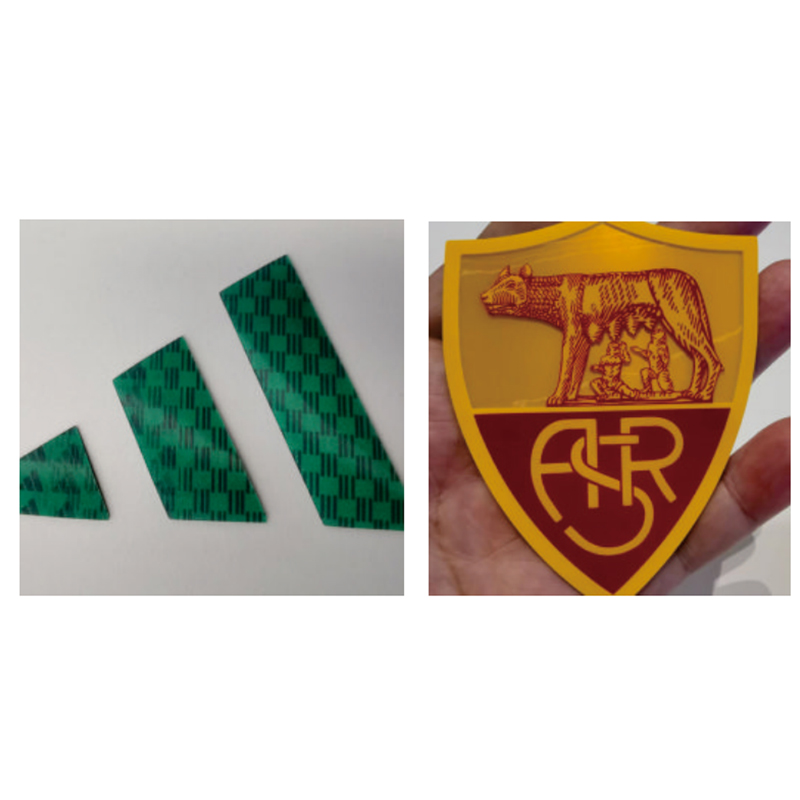
What Is 3D Textile Printing Paste?
3D Textile Printing Paste is a specialty printing material used to create a raised or dimensional effect on textile surfaces.
The material forms a thicker printed layer than conventional flat textile printing. Depending on the formulation and processing method, the printed area can develop additional height and texture during curing.
The final result can range from a subtle raised surface to a more pronounced three-dimensional graphic.
Why Use 3D Textile Printing?
Traditional textile printing mainly focuses on reproducing colors and patterns. 3D printing introduces another design element: surface structure.
By combining different printing layers and textures, manufacturers can create designs that have both visual and tactile differences.
This can be useful for fashion garments, casualwear, sportswear, promotional clothing and other textile products.
Key Features of 3D Textile Printing Paste
Dimensional Graphic Effects
The primary purpose of 3D textile printing is to create physical depth. Raised logos, lettering and graphic elements can stand above the surrounding fabric.
This can make selected design components more noticeable.
Textured Surface
A dimensional print can introduce texture to an otherwise smooth textile surface. Different printing thicknesses can also be used within the same design.
Flexible Design Possibilities
3D effects do not necessarily need to cover an entire garment. Designers can apply them to selected areas of a pattern.
This makes it possible to combine flat and raised printing in one garment.
Suitable for Different Garment Designs
Depending on the formulation and fabric compatibility, three-dimensional printing can be considered for various apparel products.
The final application should always be tested according to the actual fabric and production process.
Common Applications of 3D Textile Printing
Fashion T-Shirts
Fashion T-shirts frequently use logos, typography and graphic artwork as key design elements. Adding a raised layer can give these graphics greater physical presence.
Designers can combine multiple colors with dimensional details to create a layered appearance.
Sweatshirts and Hoodies
Sweatshirts and hoodies provide a larger surface for decorative printing. Three-dimensional lettering and logos can be used to create a more textured design.
The selected printing material should be evaluated for softness and washing requirements.
Sportswear
Sportswear often includes brand marks, numbers and functional graphics. A suitable dimensional printing process can be used for selected decorative elements.
Fabric flexibility and repeated washing should be considered when developing sportswear applications.
Promotional Clothing
Companies and events may use custom garments featuring logos and lettering. A raised graphic can provide an alternative to standard flat printing.
Before production, manufacturers can test the design on the actual garment material to evaluate appearance and durability.
How to Achieve Consistent 3D Printing Results
The performance of 3D Textile Printing Paste depends on both the material and the production process.
Select the Right Fabric
Fabric composition, surface texture and absorbency can influence the appearance of the finished print.
Cotton, polyester and blended fabrics may require different process parameters. Sample testing helps identify suitable conditions.
Control the Printing Layer
The printed layer determines how much material is available to form the three-dimensional effect.
Too little material may produce an effect that is difficult to see, while excessive material can make production more difficult.
The appropriate deposit should therefore be determined according to the design and required effect.
Use Suitable Screen Specifications
Screen selection affects material deposition and graphic definition.
Large patterns may allow a different screen configuration than fine lettering or detailed artwork. Printers should balance material thickness with the level of detail required.
Maintain Stable Curing Conditions
Curing is an important stage of three-dimensional textile printing. Temperature, time and equipment performance should remain consistent throughout production.
Small changes in processing conditions can affect the final surface structure.
Combining 3D Effects With Other Textile Materials
A three-dimensional effect can be used as one layer within a larger textile printing design.
For example, conventional water-based printing paste can be used for the main graphic, while a dimensional material is applied to selected elements.
Silicone printing materials can also be considered when a different surface texture or tactile effect is required.
Combining different materials gives designers more options for developing layered garment graphics.
Quality Testing for 3D Textile Printing
Before moving into mass production, textile manufacturers should evaluate the finished print under realistic conditions.
Important testing areas include:
- Surface appearance
- Raised height
- Graphic definition
- Fabric adhesion
- Hand feel
- Flexibility
- Washing performance
- Rubbing resistance
- Color stability
- Curing consistency
The appropriate testing method depends on the final garment and customer requirements.
3D Textile Printing for B2B Production
For garment factories and textile printing companies, specialty printing materials need to perform consistently across production batches.
Material stability, technical support and compatibility with existing equipment are therefore important considerations when selecting a supplier.
Caigle focuses on professional textile printing materials for B2B applications, including water-based printing paste, digital textile printing ink, silicone printing materials and shoe printing materials.
Manufacturers can select materials according to their fabric type, printing technology and required surface effect.
Conclusion
3D Textile Printing Paste offers textile manufacturers another way to develop raised, textured and dimensional garment designs.
By controlling fabric selection, printing thickness, screen specifications and curing conditions, printers can create different surface effects for fashion apparel, T-shirts, sweatshirts, sportswear and promotional garments.
For commercial textile printing, sample testing and process control are essential for achieving repeatable results and matching the requirements of the final product.