
Textile printing is no longer limited to flat colors and simple graphics. Garment manufacturers and textile printers increasingly use specialty printing materials to create raised surfaces, textured patterns and distinctive tactile effects. Raised Foam Printing Paste is one option for developing three-dimensional effects on textile fabrics.
By expanding during the appropriate heating process, this type of printing material can increase the surface height of a printed pattern. The result is a raised graphic that provides additional visual depth and tactile contrast compared with conventional flat printing.
For apparel manufacturers, fashion brands and professional textile printing companies, raised printing can be used to add texture to logos, lettering, decorative graphics and selected design elements.
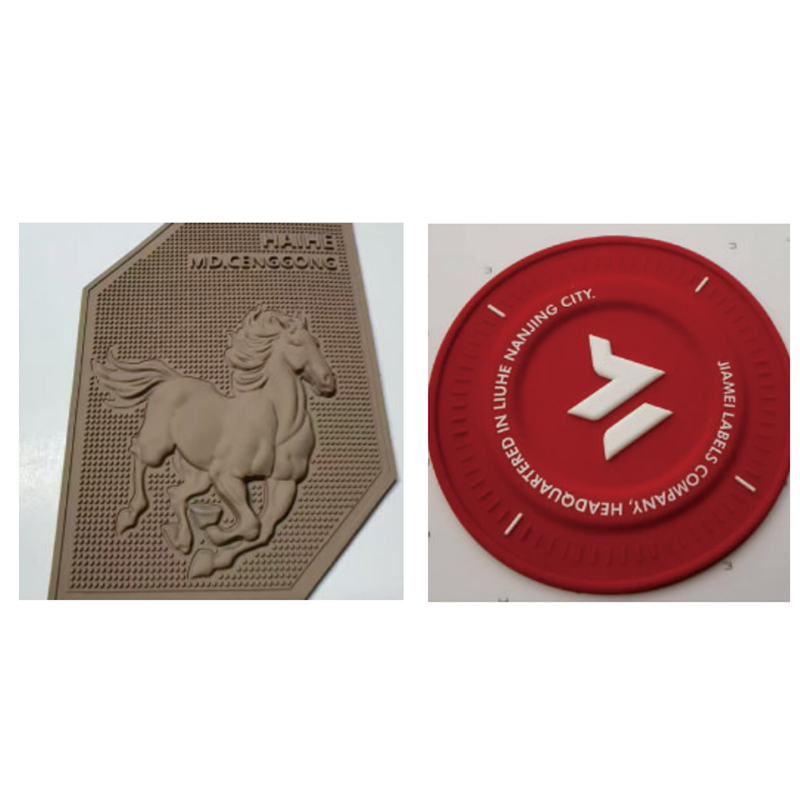
What Is Raised Foam Printing Paste?
Raised Foam Printing Paste is a specialty textile printing material formulated to produce a raised surface after printing and controlled heating.
The material is applied to the fabric through a suitable printing process. During curing or heating, the formulation expands and creates additional volume within the printed area.
The final appearance depends on factors such as fabric construction, printing thickness, screen specifications, heating conditions and the formulation itself.
How Does Raised Foam Printing Work?
The process generally starts with applying the printing paste to the selected fabric. The printed layer is then dried and processed under controlled temperature conditions.
When the material reaches the appropriate processing conditions, the foaming components expand and increase the height of the print.
This creates a dimensional effect that can be used to emphasize selected areas of a textile design.
Main Benefits of Raised Textile Printing
Creates a Three-Dimensional Surface
Flat printing produces a relatively even surface, while foam-based printing can add physical height to the design.
This makes it possible to create logos, lettering and graphic elements that stand out from the surrounding fabric.
Adds Texture to Garments
Texture is an important element in modern apparel design. A raised surface can introduce a different tactile experience without changing the basic construction of the fabric.
The effect can be particularly useful for casualwear, fashion garments, promotional apparel and decorative textile products.
Supports Creative Graphic Design
Raised printing can be used selectively rather than across the entire design. Designers can combine raised elements with standard printing layers to create different levels of visual depth.
For example, a flat background can be combined with raised lettering or selected graphic details.
Applications of Raised Foam Printing Paste
The actual application depends on the fabric and printing requirements, but several garment categories can benefit from dimensional printing.
T-Shirts and Sweatshirts
T-shirts and sweatshirts are common applications for textured garment graphics. Raised printing can add dimension to brand logos, artwork, lettering and decorative patterns.
Fashion Apparel
Fashion manufacturers can use textured printing to create visual contrast between different areas of a garment.
A combination of flat colors and raised details can help develop more complex surface designs.
Sports and Casual Clothing
Sportswear and casualwear often use printed logos, numbers and lettering. A raised effect can make these elements more visually prominent.
Production testing is recommended to determine the appropriate printing and curing conditions for each fabric.
Promotional Garments
Promotional clothing can use dimensional graphics to create a more distinctive appearance. Raised printing may be suitable for company logos, event graphics and decorative lettering.
Factors That Affect the Final Raised Effect
Using Raised Foam Printing Paste requires careful control of the printing process.
Printing Thickness
The amount of paste deposited on the fabric influences the final height of the design. Different patterns may require different deposit levels.
Large solid areas and fine details should be evaluated separately during sample production.
Fabric Construction
Cotton, polyester, blends and other fabrics can react differently during drying and curing. The fabric surface also affects how clearly the raised effect is displayed.
Testing on the actual production material can help determine suitable parameters.
Mesh Selection
Screen mesh affects the amount of printing material transferred to the fabric. Choosing an appropriate mesh is important when developing a dimensional effect.
The mesh should also be selected according to the graphic details that need to be reproduced.
Curing Conditions
Temperature and processing time influence the expansion and final surface characteristics of the print.
Consistent curing conditions are important for maintaining similar results between production batches.
Combining Raised Printing With Other Materials
Modern textile printing often combines multiple printing effects within one design.
A raised layer can be used together with conventional water-based printing paste, silicone materials or other specialty textile printing products.
For example, a garment may use a flat printed background while selected letters are produced with a raised surface. This approach can create visual and tactile contrast without making the entire design three-dimensional.
Quality Control in Raised Textile Printing
Before mass production, textile printers should evaluate several aspects of the finished print:
- Raised height
- Surface uniformity
- Pattern definition
- Adhesion
- Softness and hand feel
- Color consistency
- Washing performance
- Rubbing resistance
- Curing consistency
These checks can help manufacturers identify potential production problems before larger orders are processed.
Choosing a Textile Printing Paste Supplier
Specialty textile printing materials require suitable formulation and application guidance. For B2B textile manufacturers, stable quality is particularly important when the same design must be reproduced across multiple production batches.
Caigle provides professional textile printing materials covering water-based printing paste, digital textile printing ink, silicone printing materials and shoe printing materials.
For manufacturers developing raised or textured garment designs, the appropriate material should be selected according to fabric type, printing method, desired surface effect and production conditions.
Conclusion
Raised Foam Printing Paste provides textile printers with a way to create dimensional graphics and textured surfaces on garments and fabrics.
By controlling printing thickness, screen specifications, fabric selection and curing conditions, manufacturers can develop different levels of raised effects for apparel, fashion products, sportswear and promotional garments.
For professional textile printing applications, proper material selection and production testing remain essential for achieving consistent results.