
Print buyers have changed what they expect from decorated fabric. A graphic that looks sharp but feels like a plastic sheet against the skin is increasingly rejected at inspection, especially in apparel, bedding, and anything worn close to the body. That shift has pushed printing materials toward formulations that stay flexible, thin, and pleasant to touch while still surviving repeated laundering and stretching.
Soft Paste sits at the center of this shift. It describes a family of water-based printing materials engineered to cure into a low-profile film that moves with the fabric instead of sitting on top of it. For screen printers, garment factories, footwear producers, and fabric coating lines, choosing the right formulation is less about picking a product name and more about matching chemistry to substrate, effect, and wash standard.
This article looks at how these materials behave on real production lines, where they fit across product categories, and what technical teams should check before committing to a supplier. It is written for the people running the presses and approving the samples, not for a general audience.
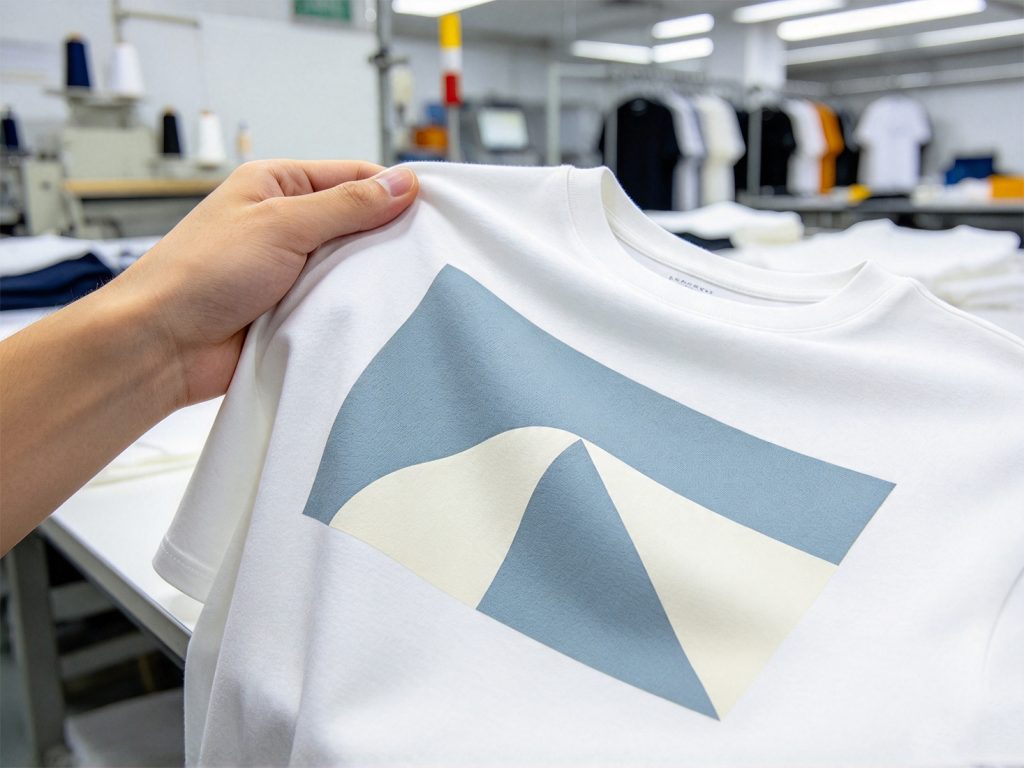
What Soft Paste Means on the Production Floor
There is no single industry-wide specification behind the term. It covers a range of water-based systems designed around one shared priority: a low-handle print film after curing. The softness comes from the binder chemistry and from how solids content is balanced against flexibility. A well-built system lets the printed area flex with the fabric without cracking at the edges or stiffening the panel.
In practice, these materials sit between conventional high-opacity pastes, which prioritize coverage and brightness, and highly elastic pastes built for extreme stretch. Most formulations aim for a workable middle ground: enough opacity to read clearly on mid-tone fabrics, with a film thin enough to keep the hand-feel close to the untreated cloth. That trade-off drives most material decisions. A paste that covers perfectly on dark jersey often feels heavier, while a paste tuned for softness may need extra passes on challenging grounds.
Caigle’s range reflects this spectrum. The 713/714 high-opacity series is positioned for cotton and knits where coverage and hand-feel both matter, while the soft priming paste line targets adhesion and flexibility on stretch materials . Both are documented within the company’s water-based textile printing portfolio, alongside silicone series materials and digital pretreatment solutions .
Where These Materials Deliver the Most Value
Screen Printing Shops and Hybrid Digital Operations
Flatbed and rotary screen printing remain the primary application route. Mesh counts typically fall in the 100–180 range depending on viscosity and the deposit thickness the job requires. For shops running both screen and digital equipment, the material works as a standalone print or as a base layer beneath digital overprints and pretreatment systems.
The practical variables are mesh, squeegee hardness, and deposit control. Softer squeegees and appropriate mesh counts let the paste lay down evenly without forcing excess material into the knit structure. Caigle’s documentation for the 713/714 series lists 100–120 mesh with 55–65 degree squeegees and a two-minute overheat at 130–135°C . Treat those as starting points and verify them against your own fabric and press.
Garment Factories Working with Knits and Blends
Cotton, cotton-poly blends, and circular knits are the most common grounds. The flexibility of a well-matched formulation follows the natural stretch of knit construction, which reduces cracking during wear and washing. For factories producing basic tees, casual wear, and light activewear, the appeal is a print that reads as part of the garment rather than an applied layer.
Caigle rates its soft priming paste series at 5 out of 5 on its internal softness scale, with high elasticity and good transparency, and tests machine wash fastness at 60°C across repeated cycles . Those characteristics matter when a brand’s quality team checks prints after home laundering. Ask for the test method behind any wash claim, not just the result.
Footwear and Shoe Material Production
Shoe uppers stress prints differently than flat goods. Curved surfaces, flex zones at the toe and heel, and constant abrasion all work against adhesion. Material used on side panels, tongue labels, or decorative overlays has to hold through repeated bending while staying comfortable rather than rigid.
Factories supplying footwear brands typically evaluate on synthetic leather, mesh, and textile uppers. Elasticity and substrate adhesion decide whether a print survives flexing and scuffing. Caigle’s soft paste products are formulated for textile applications; footwear teams should run their own trials on the specific upper materials in their line before production.
Bags, Umbrellas, and Coated Fabric Processing
Bag and umbrella production usually involves coated fabrics, nylon, and polyester, all of which resist water-based bonding more than cotton does. Formulations for these grounds need to anchor reliably without heat or pressure that would damage the base cloth. For branding and decorative elements on luggage and bags, a low-profile print avoids the board-like feel of heavier plastisol or high-density work.
Umbrella fabric adds a folding requirement. The cloth is thin, often coated, and must crease and reopen thousands of times. Test adhesion and flexibility under folding stress on the actual production fabric rather than a cotton swatch.
Home Textiles, Bedding, and Decorative Fabrics
Bedding, cushions, throws, and upholstery converters use these materials where touch is part of the product. A textured print on a duvet cover or pillow should feel pleasant, not scratchy or stiff. That balance is the main reason decorative fabric lines adopt water-based systems.
Caigle’s soft paste and soft priming products sit within a broader range that also covers digital pretreatment and specialty pastes . Converters serving hospitality and retail bedding programs should confirm wash durability and color fastness against the buyer’s standard, since bedding sees frequent laundering.
Production Considerations Before You Commit
Substrate Compatibility Needs Testing, Not Assumptions
Performance shifts across fabric types. Cotton and blends generally accept water-based systems well. Synthetics and coated surfaces often need formulation adjustments or surface preparation. Nylon deserves particular attention for adhesion and stretch recovery; Caigle’s 161/162 series is documented for nylon and swimwear with a focus on rebound and softness .
Set up a short pre-production protocol: print on the actual fabric, cure to the recommended schedule, then run a wash test and a manual stretch check. It costs an hour and prevents a spoiled run.
Mesh, Squeegee, and Press Settings
Physical parameters drive results as much as chemistry. Caigle’s 713/714 documentation specifies 100–120 mesh, 55–65 degree squeegees, and overheat at 130–135°C for two minutes . The soft priming paste series allows 100–180 mesh and overheat at 130–150°C for two minutes .
Shop conditions matter too. Caigle recommends 40–70% humidity; below 40% a moisturizing agent may be needed to prevent screen blockage, and above 70% drying time may need extending to avoid surface tackiness .
Curing and Handling
Under-cured prints show poor wash fastness or surface tack. Over-curing embrittles the film and costs you the softness you paid for. Caigle’s data lists optimal performance for the 713/714 series after two minutes at 130–135°C, or ambient curing over two to three days . The soft priming paste series specifies two minutes at 130–150°C followed by a four-hour rest before testing .
Document approved settings for every product and check them at shift start. Small drifts in press conditions account for a large share of defects.
What to Look For in a Supplier
Quality varies widely, and a poor match shows up as rejected orders and rework. A dependable supplier provides clear technical documentation, consistent batch-to-batch behavior, and fast answers when a new substrate or effect comes up.
Caigle has produced water-based textile printing materials in Guangdong since its founding, with a range covering soft paste, silicone series materials, digital inks, and specialty pastes . The company states that its products meet EU Oeko-Tex Standard 100 requirements and holds Oeko-Tex, SGS, and BV certifications for its printing paste products . Confirm the scope of any certificate against your own market requirements.
For importers and distributors serving several downstream factories, consistency across shipments matters more than any single datasheet. A material that behaves differently in the next container creates problems all the way down the chain.
Conclusion
Soft Paste rewards careful selection and disciplined process control. The factories getting the best results test on their real substrates, document press settings, and work with a supplier who understands the gap between a lab sample and a production run.
For screen printers, garment makers, footwear producers, bag factories, and home textile converters aiming for prints that feel as good as they look, the priority is a system that balances comfort, durability, and adhesion across the fabrics you actually run. Caigle’s soft paste range, including the 713/714 high-opacity series and the soft priming paste line, is built for that kind of production-floor performance .
Frequently Asked Questions
Can these materials be used on polyester and nylon?
Yes, but verify adhesion on the specific fabric and finish. Nylon and polyester may need different formulation approaches or surface preparation. Caigle’s 161/162 series is documented for nylon and swimwear . Always run a wash and stretch test on production fabric first.
How soft is it compared to standard printing paste?
It varies by product. Caigle rates the soft priming paste series 5 out of 5 on its internal softness scale and the 713/714 series 4 out of 5, where level 5 is “super soft” and level 4 is “softer.” Request samples and run hand-feel evaluations against your buyer’s expectations.
Does the softness hold after washing?
Properly cured material is designed to keep its hand-feel through repeated home laundering. Caigle tests machine wash fastness at 60°C across multiple cycles . Durability depends on substrate, cure conditions, and the specific product.
What mesh count should I use?
Recommendations vary. The 713/714 series specifies 100–120 mesh; the soft priming paste series allows 100–180 . Higher counts give thinner deposits and softer hand-feel; lower counts deposit more for opacity. Balance coverage against softness.
Can Caigle help evaluate a product for a specific fabric?
Yes. The technical team works with factories on substrate, performance targets, and production conditions. Sharing fabric samples and target criteria helps the team recommend the right product and application parameters.
Ready to Test Soft Paste on Your Line?
Send Caigle your fabric specifications, target hand-feel, and wash requirements. The technical team will help you select the right product and support the step from sample to stable production.
Contact Caigle today to request product documentation and discuss your soft paste requirements.