
Modern textile printing requires a balance between attractive graphics, fabric comfort and production efficiency. As printed garments become more diverse, printing manufacturers are looking for materials that can provide clear patterns without creating an unnecessarily heavy or stiff surface. The Breathable Paste Series is developed for textile printing applications where softness, comfort and fabric breathability are important considerations.
Unlike printing systems designed primarily for maximum coverage or thick surface effects, breathable printing materials are intended for applications where the printed area should maintain a more comfortable hand feel. This makes them particularly relevant to sportswear, casualwear, fashion garments and other textile products that are worn directly against the body.
For professional printing factories, material selection is only one part of the process. Fabric construction, printing coverage, mesh selection, layer thickness, drying and curing conditions can all influence the final result. A suitable Breathable Paste Series should therefore be evaluated together with the actual production process rather than considered as an isolated material.
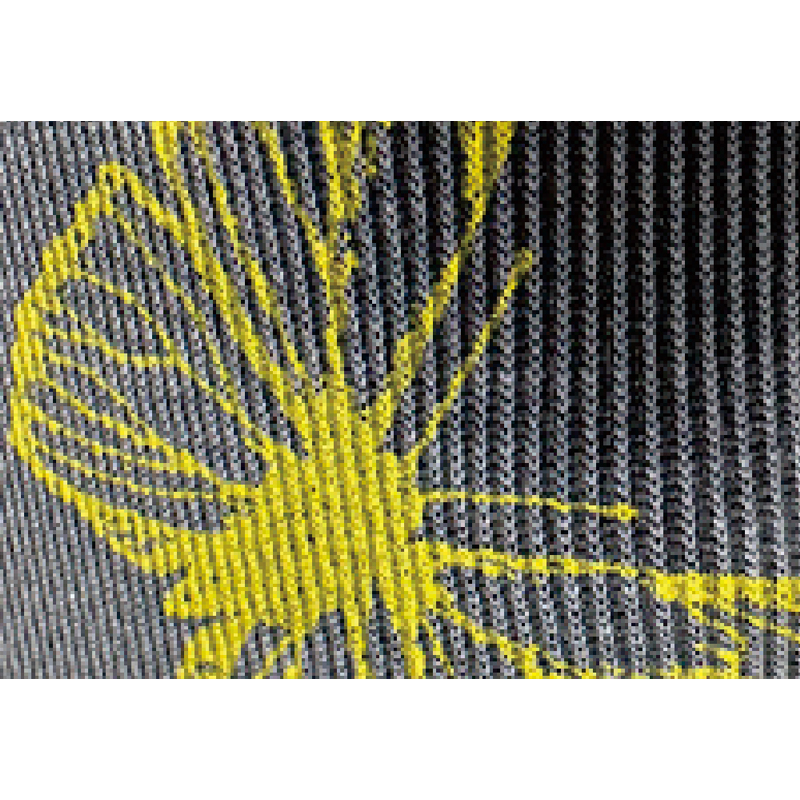
What Is the Breathable Paste Series?
The Breathable Paste Series is a category of textile printing materials designed for applications where the printed area needs to maintain a softer and more comfortable surface.
In textile printing, the final hand feel can be affected by the amount of printing material deposited onto the fabric. A heavy or overly thick coating may change the original texture of the fabric. By selecting an appropriate breathable printing material and controlling the print deposit, manufacturers can develop graphics that are visually clear while maintaining a more natural textile feel.
The actual breathability and hand feel depend on the fabric, design, print coverage, printing parameters and curing conditions. Therefore, production testing remains an important part of material selection.
Why Is Breathability Important in Textile Printing?
A printed garment is not only a visual product. The wearer also experiences the fabric through softness, flexibility, weight and surface feel.
For garments such as sportswear and casual T-shirts, large printed areas can have a noticeable influence on comfort. When the printing layer is too heavy, the printed section may feel different from the surrounding fabric.
The Breathable Paste Series can be considered when manufacturers need to balance graphic appearance with the comfort requirements of the finished garment.
This is particularly relevant when printing large patterns, logos or decorative areas where a significant portion of the fabric surface is covered.
Key Characteristics of Breathable Textile Printing Materials
Soft Hand Feel
One of the main reasons manufacturers consider the Breathable Paste Series is the desired soft surface effect.
A suitable printing system should complement the fabric rather than completely change its original character. The final hand feel depends on the material formulation, print thickness and curing process.
For lightweight garments and close-fitting apparel, this consideration can be especially important.
Reduced Impact on Fabric Comfort
Printing inevitably changes the surface of a fabric. However, the degree of change can be controlled through material selection and printing parameters.
The Breathable Paste Series is suitable for production environments where maintaining a comfortable printed area is an important design requirement.
Flexible Printing Applications
Different garment products require different printing characteristics. A material suitable for a casual T-shirt may not necessarily be the best choice for a highly elastic sports garment.
Manufacturers should evaluate the Breathable Paste Series according to fabric composition, elasticity, print coverage and final product requirements.
Suitable for Professional Textile Production
For B2B printing factories, production consistency is as important as the appearance of a single sample.
A printing material should perform consistently when the same design is reproduced across multiple garments and production batches. Process control, material storage and standardized curing conditions can all contribute to consistent results.
Applications of the Breathable Paste Series
The Breathable Paste Series can be considered for a wide range of textile printing applications where comfort and surface feel are important.
Sportswear Printing
Sportswear is one of the most demanding areas of garment printing. Fabrics may be lightweight, elastic and designed to move with the body.
Large logos, numbers and graphic areas can influence the feel of the garment. A breathable printing approach can help manufacturers consider both decoration and wearing comfort.
For sportswear manufacturers, testing should include stretching, washing and rubbing under realistic production conditions.
T-Shirt Printing
T-shirts are one of the most common applications for textile printing.
Designs may include brand graphics, illustrations, promotional messages and decorative patterns. When the printed area is large, a suitable Breathable Paste Series can help manufacturers focus on maintaining a comfortable surface.
The final effect will depend on fabric weight, print coverage and curing conditions.
Fashion Apparel
Fashion garments often combine multiple colors, patterns and surface effects.
A breathable printing material can be used when designers want to add graphics without creating an excessively heavy printed area. It can also be combined with other textile printing materials where different sections of the same design require different surface characteristics.
Casualwear
Hoodies, sweatshirts, casual shirts and other everyday garments can benefit from printing materials that consider hand feel as part of the final product.
Depending on the fabric construction, manufacturers can adjust print thickness and screen specifications to achieve the desired balance between coverage and softness.
Children’s Apparel
Children’s garments require careful consideration of comfort and textile surface characteristics.
When selecting a printing material, manufacturers should consider the fabric, print coverage and applicable product requirements. The Breathable Paste Series can be evaluated for designs where a soft printed surface is preferred.
How to Achieve Better Results With the Breathable Paste Series
Selecting a suitable material does not guarantee the same result on every fabric. The printing process needs to be adjusted according to the actual application.
Choose the Right Fabric
Fabric composition and construction have a direct influence on printing performance.
Cotton, polyester, nylon and blended fabrics can behave differently during printing and curing. Surface texture, absorbency and elasticity should be considered before mass production.
A sample test using the actual production fabric is recommended.
Control Print Coverage
Print coverage is particularly important when working with breathable textile applications.
A small logo and a large solid graphic will not necessarily require the same process settings. Large printed areas may require greater attention to material thickness and curing.
The Breathable Paste Series should be evaluated according to the coverage required by the design.
Select an Appropriate Mesh
Screen mesh influences the amount of material transferred to the fabric.
A suitable mesh can help balance graphic definition and material deposition. Fine details may require a different setup from large solid areas.
Printing factories should establish their own optimized process parameters through sample testing.
Maintain Consistent Curing
Drying and curing can influence the final surface characteristics of a printed textile.
Temperature, time, equipment condition and fabric properties should be considered together. Inconsistent curing may result in differences between samples and mass-production pieces.
Standardized process control is therefore important for commercial textile printing.
Breathable Paste Series vs. Conventional Printing Materials
The choice between different printing materials should be based on the desired final effect.
Conventional printing materials may be selected when strong coverage, specific opacity or other surface characteristics are the primary requirements.
A breathable material is more appropriate when manufacturers also need to consider softness and fabric comfort.
This does not mean that one printing material is suitable for every application. The correct selection depends on fabric type, design, printing method, expected hand feel and production requirements.
For this reason, the Breathable Paste Series should be evaluated as part of a complete printing process rather than simply compared by one performance characteristic.
Combining Breathable Printing With Other Effects
Modern garment printing often uses several printing techniques in one design.
For example, a manufacturer may use a breathable printing material for a large background graphic while using a silicone material for selected raised details.
Other specialty effects can also be incorporated into fashion designs, depending on fabric compatibility and production requirements.
Caigle’s current product structure includes printing paste categories, digital coating ink, silicone materials and shoe materials, allowing professional textile manufacturers to consider different material options for different applications.
Quality Control for Breathable Textile Printing
Before beginning mass production, manufacturers should evaluate the finished print under practical conditions.
Important testing areas may include:
- Surface softness
- Print coverage
- Graphic definition
- Fabric flexibility
- Adhesion
- Washing performance
- Rubbing resistance
- Color consistency
- Curing stability
- Overall hand feel
For elastic garments, stretching tests can also be useful.
For large-volume orders, production samples should be retained as reference standards so that subsequent batches can be compared against an approved sample.
Why Work With a Professional Textile Printing Material Supplier?
Textile printing materials are closely connected to fabric characteristics and production processes. A professional supplier can provide material selection guidance based on the intended application.
Caigle’s website currently lists a dedicated Breathable Paste Series within its Paste Series, alongside Basic Adhesive Paste Series, Nylon Paste Series and Special Printing Paste Series. Its wider product portfolio also covers Digital Coating Ink Series, Silicone Series and Shoe Materials Series.
For B2B customers, this broader product structure can be useful when a printing factory works with multiple fabric categories and requires different materials for different production jobs.
Frequently Asked Questions
What fabrics can be used with the Breathable Paste Series?
The suitable fabric depends on the specific formulation and application. Cotton, polyester, blends and other textile substrates may require different printing conditions. Testing the actual production fabric is recommended before bulk printing.
Can breathable printing be used for large designs?
Yes, large graphics can be considered, but print coverage and material thickness become more important as the printed area increases. Process testing should be used to determine the appropriate printing parameters.
Is the Breathable Paste Series suitable for sportswear?
It can be considered for sportswear applications where soft hand feel and comfortable printed areas are important. Fabric elasticity, washing requirements and production conditions should be evaluated before mass production.
How can printing factories improve consistency?
Factories can standardize fabric preparation, mesh specifications, printing thickness, drying, curing and quality inspection procedures. Keeping production parameters consistent can help reduce batch-to-batch variation.
Conclusion
The Breathable Paste Series provides a textile printing option for manufacturers who need to consider both graphic appearance and fabric comfort.
It can be evaluated for sportswear, T-shirts, casualwear, fashion garments and other textile products where a softer printed surface is desirable. The final result depends on material selection, fabric construction, print coverage, screen specifications and curing conditions.
For professional B2B textile printing production, sample testing and process control remain essential. By matching the printing material to the fabric and final application, manufacturers can develop more consistent products while maintaining the desired surface characteristics.