
Denim is one of the most recognizable fabrics in the global textile and apparel industry. From jeans and jackets to skirts, bags, workwear, and fashion accessories, denim continues to play an important role in clothing manufacturing. As fashion trends evolve, manufacturers are looking for more ways to customize denim products through logos, graphic designs, decorative patterns, and special surface effects.
Printing is an effective way to add value to denim products. However, printing on denim is not always the same as printing on ordinary woven or knitted fabrics. Denim may have a textured surface, uneven dye distribution, different fabric weights, and special washing or finishing treatments. These characteristics can influence the adhesion, appearance, and durability of the finished print.
Choosing the right Denim Paste is therefore an important consideration for textile printing factories and garment manufacturers. A suitable printing paste should be evaluated according to the denim fabric, desired visual effect, printing method, and subsequent processing requirements.
This guide explains what Denim Paste is, how it is used in denim printing, which performance characteristics deserve attention, and how manufacturers can improve printing quality through proper material selection and production control.
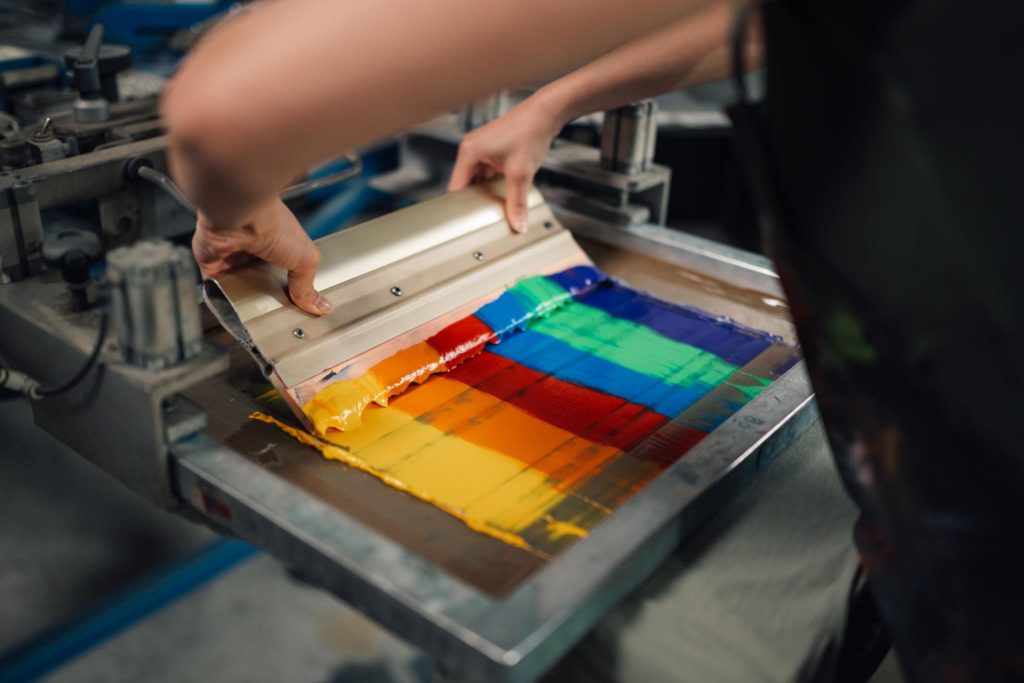
What Is Denim Paste?
Denim Paste refers to printing paste selected or formulated for printing designs, logos, patterns, and decorative effects on denim fabrics.
Depending on the formulation and intended process, Denim Paste may be used in compatible screen-printing applications to create printed graphics on denim garments or fabric panels.
Unlike printing on a smooth, lightweight fabric, denim printing often requires additional consideration of fabric texture, surface color, dye characteristics, and the final garment’s intended appearance.
The main functions of a suitable Denim Paste may include:
- Surface adhesion: Helping the printed layer attach to the denim fabric.
- Color coverage: Supporting the desired visual contrast against the denim background.
- Pattern definition: Helping reproduce logos, lettering, and decorative graphics.
- Flexibility: Allowing the printed area to move with the fabric during normal use.
- Hand feel: Maintaining an acceptable surface texture after printing.
- Durability: Supporting the performance requirements of the finished garment.
Not every printing paste is automatically suitable for denim. The right material depends on whether the customer is printing on raw denim, washed denim, stretch denim, dark indigo fabric, or another denim construction.
Manufacturers should evaluate the complete printing process instead of choosing a product based only on its general application description.
Why Denim Printing Requires Special Attention
Denim has several characteristics that can influence printing results. Understanding these factors helps manufacturers select a more suitable Denim Paste and reduce production problems.
1. Textured Fabric Surface
Traditional denim is usually made from twill fabric, often with a distinctive diagonal surface structure. Compared with smooth fabrics, denim may have a more pronounced texture and uneven surface.
This can influence how printing paste transfers onto the fabric. If the material does not match the surface characteristics, printed graphics may appear uneven or fail to cover the fabric consistently.
For detailed logos and fine lettering, manufacturers should pay particular attention to print definition and coverage.
2. Dark Indigo and Other Fabric Colors
Many denim products use indigo or other dark-colored fabrics. When printing light-colored graphics on dark denim, sufficient color contrast is often required.
The printing system may need to provide an appropriate base layer or coverage, depending on the design and fabric color.
For example, a white logo printed on dark blue jeans has different requirements from a dark decorative pattern printed on light-washed denim.
The selection of Denim Paste should therefore consider the background color and the intended visual result.
3. Denim Washing and Finishing
Denim garments may undergo washing, softening, distressing, or other finishing processes before or after printing.
These treatments can affect the fabric surface and the performance of the printed layer.
Manufacturers should clarify the production sequence before selecting a printing material. Printing on pre-washed denim may require a different evaluation from printing on fabric that will undergo additional washing after printing.
4. Fabric Weight and Stretch
Denim is available in different weights and constructions. Some products are made from heavier cotton denim, while others contain elastane or other fibers to provide stretch.
A heavy denim jacket and a stretch denim garment may have very different printing requirements.
For stretch denim, flexibility becomes particularly important. The printed area should be tested to determine whether it can withstand the movement expected during wearing.
Key Features to Evaluate in Denim Paste
When selecting Denim Paste, manufacturers should focus on the characteristics that directly influence the finished product.
Good Adhesion to Denim Fabric
Adhesion is one of the most important considerations in denim printing.
The printing material should be compatible with the fabric surface and the intended processing conditions. Poor adhesion may lead to peeling, edge lifting, or damage to the design during handling and washing.
Before mass production, test the selected Denim Paste on the actual denim fabric. Evaluate the printed sample after the recommended drying or curing process and any planned finishing treatment.
Suitable Color Coverage
Denim printing often involves creating visible graphics on blue, black, or other dark backgrounds.
A suitable Denim Paste should be evaluated for its ability to produce the required color appearance and coverage. The result depends on the paste formulation, fabric color, print thickness, screen configuration, and production conditions.
For light-colored designs on dark denim, manufacturers should test whether a single printing layer is sufficient or whether a different printing structure is needed.
Flexible Printed Surface
Denim garments are folded, stretched, bent, and worn repeatedly. Printed areas may therefore experience regular mechanical stress.
A printing layer that is too rigid may affect the garment’s comfort or develop cracks during use.
When selecting Denim Paste for jeans, stretch denim, or other flexible garments, manufacturers should check the finished print under repeated bending and stretching.
Appropriate Hand Feel
The hand feel of denim is an important part of the finished garment’s quality.
A large printed area may change the texture of the fabric, especially when the printing layer is thick or covers a substantial part of the garment.
Manufacturers should consider the balance between color coverage, surface texture, and flexibility. The preferred result may vary between fashion graphics, workwear logos, and decorative prints.
Consistent Printing Performance
For commercial denim production, consistency matters as much as the appearance of an individual sample.
A stable Denim Paste should be evaluated for its preparation behavior, application characteristics, and consistency during repeated printing runs.
Manufacturers should maintain appropriate material handling procedures and production records to reduce variations between batches.
Common Applications of Denim Paste
Denim is used in a wide range of apparel and textile products. Printing requirements vary according to the product design and end use.
Jeans and Denim Trousers
Jeans are among the most common denim products. Printing can be used to create brand logos, decorative graphics, lettering, and customized patterns.
Common printing areas include:
- Front and back panels
- Pocket areas
- Waistband details
- Lower leg sections
- Selected decorative panels
For jeans, Denim Paste should be evaluated for adhesion, flexibility, and compatibility with the garment’s washing and finishing process.
Denim Jackets
Denim jackets provide larger surfaces for decorative printing. Back-panel graphics, sleeve designs, logos, and artistic patterns are popular applications.
Large graphics require careful attention to coverage and hand feel. Manufacturers should also check whether the printed area remains comfortable when the jacket is folded or worn.
Denim Skirts and Dresses
Fashion denim products often use printed patterns to create distinctive designs.
For these products, manufacturers may prioritize color appearance, fine details, and a suitable surface texture. The printing material should match the fabric weight and the overall style of the garment.
Denim Bags and Accessories
Denim is also used in backpacks, handbags, shopping bags, and other accessories.
These products may experience repeated handling and surface friction. The printing system should therefore be tested according to the expected use of the finished product.
Customized and Promotional Denim Products
Customized denim garments are used for promotional events, fashion collections, branded merchandise, and limited-edition products.
Printing allows manufacturers to add logos, slogans, illustrations, and other personalized graphics without changing the basic fabric construction.
A suitable Denim Paste can help support these decorative applications when the formulation is compatible with the fabric and production process.
How to Choose the Right Denim Paste
Selecting the right Denim Paste requires a clear understanding of the fabric, design, printing method, and final product requirements.
Step 1: Identify the Denim Fabric
Start by confirming the fabric composition and construction.
Important details include:
- Cotton or cotton-blend composition
- Presence of elastane or other stretch fibers
- Fabric weight and thickness
- Indigo, black, or other background colors
- Raw, washed, or finished fabric condition
- Surface texture and any additional treatment
These details help determine which printing materials should be considered for testing.
Step 2: Define the Desired Printing Effect
Clarify the intended visual result before selecting Denim Paste.
Does the design require strong color coverage, fine lines, a soft surface, a raised texture, or a simple logo?
Different printing effects may require different formulations and printing approaches. Defining the target appearance early can reduce unnecessary material trials.
Step 3: Confirm the Printing Method
Screen printing is commonly used for garment graphics and repeated designs. The selected paste should be compatible with the printing equipment and production process.
Important considerations include screen mesh, printing pressure, printing speed, application thickness, and the number of printing layers.
Manufacturers should follow the product supplier’s technical guidance rather than applying the same settings to every material.
Step 4: Consider Washing and Finishing Requirements
Determine whether the denim garment will be washed, softened, distressed, or otherwise finished after printing.
If additional processing is planned, the printed sample should be evaluated after the complete production sequence.
A sample that looks good immediately after printing may not provide the same result after washing or finishing.
Step 5: Conduct Sample Testing
Before mass production, test the selected Denim Paste on the actual denim fabric.
A practical evaluation may include:
- Color appearance and coverage
- Adhesion to the fabric
- Print edge definition
- Flexibility after processing
- Surface hand feel
- Washing performance
- Rubbing resistance
- Compatibility with subsequent garment finishing
Record the results and compare them with the approved sample. This provides a more reliable basis for production decisions.
Common Denim Printing Problems and Solutions
Even with suitable Denim Paste, printing quality can be affected by fabric differences and process conditions.
Uneven Printing on Textured Denim
Possible causes: The fabric surface is uneven, the printing paste is not suitable for the fabric construction, or printing pressure and screen settings are inconsistent.
Practical approach: Check the fabric surface, screen condition, and printing parameters. Conduct sample tests to identify a suitable material and application setup.
Weak Coverage on Dark Denim
Possible causes: The selected printing system does not provide sufficient coverage for the dark background, or the printing layer is not appropriate for the design.
Practical approach: Evaluate the required coverage and test a suitable printing structure. Compare the result on the actual denim color rather than relying on samples printed on light fabric.
Peeling After Washing
Possible causes: Inadequate adhesion, unsuitable processing conditions, or incompatibility between the printing material and the fabric.
Practical approach: Review the material selection and curing process. Test the complete printed garment after the intended washing treatment.
Cracking on Stretch Denim
Possible causes: The printing layer does not provide enough flexibility for the fabric, or the printed area is too thick.
Practical approach: Evaluate a more suitable flexible printing system and test the finished sample through repeated stretching.
Changes in Hand Feel
Possible causes: Excessive print thickness, large printed areas, or an unsuitable formulation.
Practical approach: Review the design and printing structure. Evaluate whether the desired coverage can be achieved while maintaining an acceptable fabric feel.
Why Choose Caigle for Textile Printing Materials?
Choosing a printing material supplier involves more than comparing product names. Manufacturers also need to consider product range, application knowledge, production consistency, and communication during material selection.
Caigle focuses on textile printing materials and related solutions. Its product portfolio includes printing paste, digital coating ink, silicone materials, and shoe material products.
For denim-related printing projects, customers can discuss their fabric composition, background color, printing method, desired effect, and washing requirements with the Caigle team. These details can help identify suitable materials for sample evaluation.
Caigle also presents its printing paste quality concept through the 7 Degrees of Stability, which highlights important characteristics such as resistance to fading under friction, resistance to peeling after frequent washing, stretchability, soft hand feel, resistance to sticking, low-temperature cracking resistance, and environmental considerations.
These characteristics provide useful reference points when evaluating printing paste quality. However, the performance of any specific product should be confirmed through its technical information and testing under the customer’s actual production conditions.
You can learn more about Caigle’s product range through the official website and explore its textile applications on the Caigle Applications page.
For more information about the company’s manufacturing background and development, visit the Corporate Strength page.
Conclusion
Choosing a suitable Denim Paste is important for achieving attractive and consistent printing results on denim garments and fabric products. Denim’s textured surface, dark background colors, different fabric weights, stretch characteristics, and washing requirements all influence material selection.
Whether printing jeans, jackets, skirts, bags, or customized denim products, manufacturers should evaluate adhesion, color coverage, flexibility, hand feel, and durability before mass production.
A structured sample-testing process can help identify potential problems early and improve the consistency of finished products.
Caigle provides textile printing materials for different fabric applications. If you are developing a denim printing project or looking for a suitable printing material, contact Caigle with your fabric details and printing requirements to discuss possible solutions.
Frequently Asked Questions About Denim Paste
1. What is Denim Paste used for?
Denim Paste is a printing paste selected or formulated for compatible denim printing applications. It can be used to print logos, lettering, patterns, and decorative graphics on denim garments and fabric products.
2. Can Denim Paste be used on jeans?
Selected printing pastes can be used on jeans, depending on the fabric composition, surface condition, printing method, and required print effect. Testing on the actual denim material is recommended before mass production.
3. Is Denim Paste suitable for dark blue denim?
The suitability depends on the printing formulation and required color coverage. For light-colored graphics on dark denim, manufacturers should evaluate the printing system using the actual fabric color.
4. Can Denim Paste be used on stretch denim?
Some printing systems may be suitable for stretch denim, but flexibility must be evaluated carefully. Test the printed fabric through repeated stretching to check whether the design remains intact.
5. Will Denim Paste affect the hand feel of denim?
The finished hand feel depends on the paste formulation, print thickness, printed area, and processing conditions. Manufacturers should evaluate the complete printed sample to ensure that the surface texture meets product requirements.
6. Can printed denim garments be washed?
Washing performance depends on the selected printing material, processing conditions, fabric, and washing method. Always conduct washing tests based on the intended garment-care requirements.
7. How do I select a suitable Denim Paste from Caigle?
Provide Caigle with details about your denim composition, fabric color, fabric weight, printing method, desired effect, and any planned washing or finishing process. This information can help the team discuss suitable products for sample testing.
Looking for a suitable printing material for your denim products? Contact Caigle to discuss your fabric requirements and explore textile printing solutions for your next project.