
Digital textile printing is becoming an increasingly important production method for garment manufacturers and textile printing companies. Compared with conventional printing processes, digital printing offers greater flexibility for detailed designs, customized orders, and small-batch production. However, achieving consistent print quality also depends on how well the textile surface interacts with digital printing materials.
Digital Top Coating Paste is designed to help optimize the surface of textiles before or during digital printing applications. By improving surface characteristics, the coating can support better ink interaction, clearer image reproduction, and more consistent color performance.
Caigle develops textile printing materials and coating solutions for garment factories, textile printing companies, wholesalers, distributors, and other B2B customers worldwide.
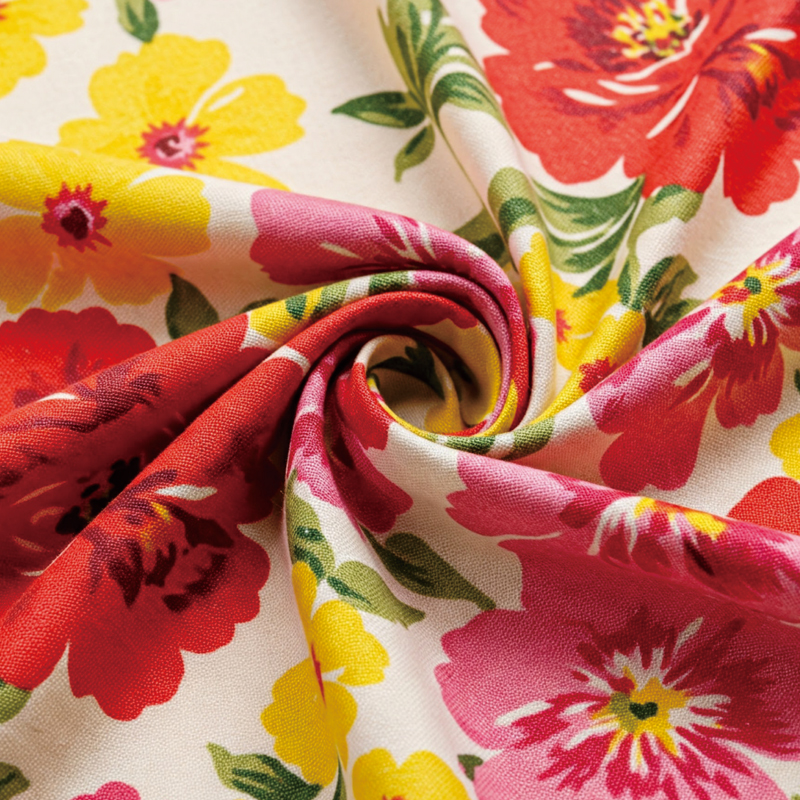
What Is Digital Top Coating Paste?
Digital Top Coating Paste is a specialized textile coating material used to modify and improve the surface characteristics of fabrics for digital printing applications.
The coating forms a controlled layer on the textile surface, helping create more suitable conditions for the application of digital printing materials. Depending on the fabric and printing process, it can contribute to improved ink absorption, color development, image definition, and surface uniformity.
For manufacturers working with different textile materials, a suitable coating solution can make digital printing more stable and predictable.
Key Features of Digital Top Coating Paste
Improved Surface Performance
Textile surfaces can vary considerably depending on fiber composition, construction, and finishing treatment.
A suitable coating helps create a more consistent printing surface, allowing digital printing materials to interact with the fabric more effectively.
Better Ink Interaction
The interaction between ink and fabric directly affects the final print.
The coating can help control ink spreading and absorption, supporting sharper graphics and more uniform printed areas.
Enhanced Color Appearance
Color reproduction is especially important for fashion garments and branded textiles.
By optimizing the fabric surface, the coating can help improve color development and visual consistency across printed areas.
Smooth Surface Finish
A uniform coating layer contributes to a smoother textile surface.
This can help improve the appearance of finished prints and provide a more consistent foundation for digital printing.
Applications of Digital Top Coating Paste
Digital Textile Printing
Digital printing requires precise interaction between the printhead, ink, and textile surface.
The coating can be used as part of a textile preparation process to help optimize printing performance.
Fashion Apparel
Fashion manufacturers often work with detailed graphics, photographic designs, gradients, and multiple colors.
A properly prepared textile surface can help improve the reproduction of these designs.
Custom Garment Production
Small-batch and customized apparel production requires flexible printing solutions.
The coating can support consistent print quality across customized products while allowing manufacturers to work with different artwork and production quantities.
Promotional Textiles
Promotional garments often contain logos, text, and brand graphics where clear reproduction is important.
Improved surface characteristics can help produce sharper and more visually consistent branding.
Benefits for Textile Manufacturers
Improve Print Definition
Fine details can become blurred when ink spreads excessively across the textile surface.
A properly formulated coating helps control the interaction between ink and fabric, supporting clearer edges and more precise artwork.
Support Color Consistency
Consistent surface characteristics can help reduce variations in color development between different printed areas.
This is particularly useful for manufacturers producing large quantities of garments for the same brand or collection.
Improve Production Stability
A stable textile surface can make the digital printing process more predictable.
This may reduce the need for repeated production adjustments and help manufacturers maintain consistent results.
Expand Fabric Applications
Different textile materials have different surface properties.
A suitable coating solution can help manufacturers adapt digital printing processes to a wider range of fabrics after compatibility testing.
How Does Digital Top Coating Paste Work?
Creates a Controlled Surface Layer
The coating is applied to the textile to create a more suitable surface for digital printing.
The resulting layer can influence how printing materials spread, absorb, and remain on the fabric.
Controls Ink Spreading
Excessive spreading can reduce image sharpness and cause colors to appear uneven.
A properly designed coating helps control this behavior and supports better graphic reproduction.
Supports Ink Retention
The surface layer can help retain printing materials in the intended printing area, contributing to clearer designs and more consistent color development.
How to Choose the Right Digital Printing Coating
Consider Fabric Composition
Cotton, polyester, nylon, and blended fabrics have different surface characteristics.
Manufacturers should select a coating according to the actual textile composition and printing requirements.
Evaluate the Printing Equipment
Different digital printing systems may use different ink technologies and processing conditions.
Compatibility between the coating, ink, printer, and fabric should be confirmed through testing.
Define the Desired Print Effect
Before selecting a coating solution, manufacturers should consider:
- Color intensity
- Print sharpness
- Surface appearance
- Ink absorption
- Fabric hand feel
- Print durability
Clear production objectives make it easier to identify the appropriate solution.
Conduct Application Testing
Testing should be performed using the actual fabric, ink, printer, and curing conditions.
This helps manufacturers determine suitable coating levels and processing parameters before beginning mass production.
Why Choose Caigle?
Professional Textile Printing Material Manufacturer
Caigle focuses on the research, development, and manufacturing of textile printing materials and related solutions.
The company serves garment manufacturers, textile printing factories, distributors, wholesalers, and other B2B customers in international markets.
Stable Product Quality
Consistent coating performance is important for industrial textile production.
Caigle applies quality control procedures throughout manufacturing to help maintain reliable product characteristics between batches.
Customized Solutions
Different textile materials and printing systems can require different coating properties.
Caigle can provide customized solutions according to fabric type, printing technology, application method, and customer requirements.
OEM and Wholesale Support
Caigle supports international B2B cooperation, including bulk supply, OEM projects, and customized product requirements.
This provides distributors and textile manufacturers with flexible options for long-term cooperation.
Tips for Better Digital Textile Printing Results
Prepare the Fabric Properly
Fabric preparation can have a significant influence on coating performance.
The textile should be clean and properly prepared before coating to achieve a more uniform surface.
Apply the Coating Evenly
Uneven coating can result in differences in color, ink absorption, and print appearance.
Maintaining consistent application conditions is therefore important for production quality.
Control Drying and Curing
Drying and curing conditions can affect the final properties of the coating.
Manufacturers should follow the recommended processing conditions and adjust them according to their actual equipment.
Test Before Mass Production
Before large-scale production, manufacturers should test the complete process using the actual fabric and digital printing system.
Testing helps evaluate color performance, image definition, fabric feel, and durability.
Frequently Asked Questions
What is Digital Top Coating Paste used for?
It is mainly used to improve textile surface characteristics for digital printing, helping optimize ink interaction, print clarity, and color performance.
Can it be used on different fabrics?
The suitable fabric range depends on the formulation and application process. Cotton, polyester, nylon, and blended textiles may require different coating solutions.
Does the coating improve print quality?
It can help improve surface uniformity, control ink spreading, and support better color and image reproduction when the coating is properly matched to the fabric and printing system.
Does Caigle provide OEM and wholesale services?
Yes. Caigle provides textile printing materials and customized solutions for garment factories, textile printing companies, distributors, wholesalers, and other professional B2B customers.
Conclusion
The quality of a digital textile print depends not only on the printer and ink but also on the condition of the fabric surface. Digital Top Coating Paste provides manufacturers with a practical way to optimize textile surfaces and improve the interaction between digital printing materials and fabrics.
By supporting better ink control, color appearance, image definition, and surface uniformity, the right coating solution can help textile manufacturers achieve more consistent production results.
With professional manufacturing experience, strict quality management, customized product development, and B2B supply capabilities, Caigle provides reliable textile printing materials for customers seeking stable and efficient digital textile printing solutions.