
Embossed Silicone Gel is a specialized silicone-based material designed for textile printing applications that require raised, dimensional, and tactile graphic effects. Compared with traditional flat printing, embossed silicone technology allows garment manufacturers to create designs with greater visual depth and a distinctive three-dimensional appearance.
As fashion brands and garment manufacturers continue to explore new decoration techniques, raised logos, lettering, patterns, and decorative elements are becoming increasingly popular. A suitable silicone gel can help create consistent embossed graphics while maintaining flexibility and an attractive surface finish.
Caigle develops professional textile printing materials for garment manufacturers, textile printing factories, distributors, wholesalers, and other B2B customers.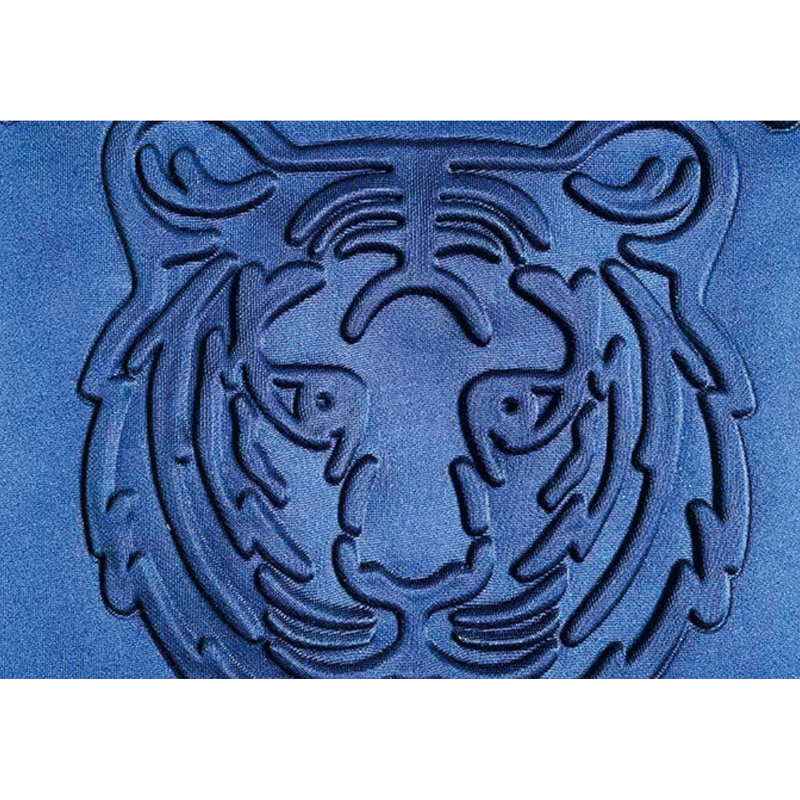
What Is Embossed Silicone Gel?
Embossed Silicone Gel is a silicone-based textile printing material formulated for creating raised and three-dimensional graphic effects on fabric.
The material can be applied using suitable screen printing and layering techniques. By controlling the amount of material deposited and the printing process, manufacturers can produce different levels of height and dimensionality.
It can be used for brand logos, lettering, numbers, decorative graphics, labels, and other textile designs where a tactile effect is required.
Key Features of Embossed Silicone Gel
Raised 3D Surface Effect
The main characteristic of this material is its ability to create a raised surface.
The dimensional effect can make printed graphics more noticeable and provide a distinctive tactile experience.
Flexible Silicone Structure
Garments need to remain comfortable and flexible during daily use.
A properly formulated silicone system can provide elasticity that allows the printed graphic to move with the textile.
Smooth Surface Finish
A controlled printing process can create a smooth and uniform surface.
This makes the material suitable for premium apparel, sportswear, fashion garments, and branded clothing.
Clear Graphic Definition
Raised printing requires precise control of graphic edges and material thickness.
With suitable screen preparation and production parameters, manufacturers can reproduce logos, lettering, symbols, and decorative patterns with good definition.
Applications of Embossed Silicone Gel
Fashion Apparel
Fashion brands often use raised graphics to create distinctive garment designs.
Potential applications include:
- T-shirts
- Hoodies
- Sweatshirts
- Jackets
- Fashion tops
- Branded apparel
Dimensional graphics can add visual depth to otherwise simple garment designs.
Sportswear
Sportswear requires printing materials that can combine flexibility with attractive graphic effects.
Raised silicone logos and lettering can be used on training apparel, team uniforms, fitness clothing, and other performance garments.
Promotional Clothing
Promotional garments often require highly visible company logos and branding.
A raised graphic can create a distinctive tactile effect and help the design stand out from the fabric surface.
Textile Labels and Logos
Brand labels, badges, numbers, and lettering can be produced with dimensional effects.
This provides garment manufacturers with another option for creating differentiated textile branding.
Benefits for Garment Manufacturers
Create Three-Dimensional Graphics
Traditional flat printing provides limited surface depth.
Embossed printing allows manufacturers to create raised designs that provide both visual and tactile differentiation.
Enhance Product Appearance
A dimensional logo or graphic can make a garment look more distinctive.
This is particularly useful for fashion collections, sportswear brands, promotional products, and customized apparel.
Add Tactile Value
Consumers can both see and feel a raised graphic.
The tactile effect can provide an additional design element that distinguishes the garment from products using conventional printing techniques.
Support Product Differentiation
Special surface effects can help brands develop unique garment collections.
Raised silicone graphics can be combined with different colors, shapes, and printing techniques to create customized designs.
How Does Embossed Silicone Gel Printing Work?
Design the Artwork
The artwork should be designed according to the desired height, shape, and level of detail.
Simple and well-defined graphics are generally easier to reproduce consistently in a raised format.
Prepare the Screen
Screen mesh and stencil thickness influence the amount of material transferred during printing.
The screen configuration should be selected according to the desired dimensional effect.
Build Up the Graphic
Multiple printing passes may be used to gradually build the required graphic height.
The number of layers depends on the desired effect, material characteristics, and production process.
Cure the Silicone Layer
After the desired thickness has been achieved, the printed graphic is cured under suitable processing conditions.
Temperature and curing time should be established through testing according to the specific material and equipment.
How to Choose the Right Embossed Silicone Gel
Consider the Fabric Type
Different textiles have different elasticity, surface characteristics, and adhesion requirements.
Potential applications include:
- Polyester
- Nylon
- Cotton
- Cotton blends
- Stretch fabrics
- Performance textiles
Compatibility should be confirmed through actual fabric testing.
Define the Desired Height
The required graphic height should be determined before production.
Different designs may require different printing layers and screen configurations to achieve the intended embossed effect.
Consider Graphic Complexity
Highly detailed artwork may require different screen specifications from large logos or simple lettering.
Manufacturers should evaluate the smallest graphic elements before selecting the printing process.
Evaluate Flexibility and Durability
Raised graphics should remain attached to the garment during normal use.
Stretch testing, wash testing, and adhesion testing can help manufacturers evaluate the complete printing system.
Embossed Silicone Gel for Sportswear
Sportswear is an important application for dimensional silicone printing.
Performance garments frequently use elastic materials and require decoration that can withstand movement and repeated washing. A flexible raised graphic can provide a distinctive design while allowing the textile to retain its functional characteristics.
Applications may include team logos, player numbers, brand marks, sponsor graphics, and decorative patterns.
For sportswear manufacturers, the relationship between graphic thickness, flexibility, adhesion, and curing conditions should be carefully evaluated before mass production.
Production Tips for Better Embossed Printing
Maintain Consistent Screen Preparation
The screen determines the shape and thickness of the printed graphic.
Consistent stencil preparation can help reduce variations between production batches.
Control Each Printing Layer
When multiple passes are required, every layer should be applied consistently.
Uneven layer thickness can affect the final appearance and dimensional effect.
Avoid Excessive Thickness
An excessively thick graphic may affect flexibility and garment comfort.
Manufacturers should balance the desired visual effect with the functional requirements of the finished product.
Optimize Curing Conditions
Proper curing is essential for achieving the required mechanical properties and durability.
The appropriate parameters should be established through application testing.
Common Problems in Raised Silicone Printing
Uneven Graphic Height
Differences in screen pressure, material application, or printing technique can lead to inconsistent graphic height.
Standardized production parameters can help improve uniformity.
Poor Adhesion
Adhesion can be affected by fabric type, surface preparation, material compatibility, and curing conditions.
Testing the complete system helps identify potential problems before mass production.
Cracking During Stretching
Excessive thickness or insufficient flexibility may increase the risk of cracking when the garment is stretched.
The printing formulation and thickness should therefore be matched to the fabric.
Inconsistent Surface Finish
Uneven application or curing can affect the smoothness of the raised graphic.
Controlling the complete printing process helps maintain a more consistent appearance.
Why Choose Caigle?
Professional Textile Printing Material Manufacturer
Caigle specializes in the development and manufacturing of textile printing materials for professional garment applications.
The company serves garment manufacturers, textile printing factories, distributors, wholesalers, and other international B2B customers.
Stable Product Quality
Consistent material properties are important when producing dimensional graphics at commercial scale.
Caigle applies quality control procedures throughout manufacturing to help maintain stable product performance.
Customized Solutions
Different garments may require different levels of flexibility, graphic height, surface appearance, and adhesion.
Caigle can provide customized solutions based on fabric type, printing equipment, desired effect, and production requirements.
OEM and Wholesale Support
Caigle supports international B2B customers with bulk supply, OEM cooperation, and customized textile printing material development.
This provides garment manufacturers and distributors with flexible options for long-term cooperation.
Frequently Asked Questions
What is Embossed Silicone Gel used for?
Embossed Silicone Gel is used to create raised and three-dimensional graphics on textile products, including logos, lettering, labels, numbers, and decorative designs.
Can it be used for sportswear?
Yes. Silicone-based raised printing can be suitable for sportswear and stretch garments when the material and printing process are properly matched to the fabric.
Can it create 3D logos?
Yes. By controlling screen configuration, printing layers, and material thickness, manufacturers can create raised and dimensional logos.
Is it suitable for stretch fabrics?
It can be suitable for stretch fabrics when an appropriate flexible formulation and printing process are used.
Does Caigle provide wholesale and OEM services?
Yes. Caigle provides textile printing materials and customized solutions for garment manufacturers, printing factories, distributors, wholesalers, and other B2B customers.
Conclusion
Three-dimensional textile graphics provide garment manufacturers with new opportunities to create distinctive products and strengthen visual branding. Embossed Silicone Gel offers a flexible solution for producing raised logos, lettering, patterns, and other tactile designs on textile surfaces.
Its combination of dimensional effects, smooth surface appearance, flexibility, and graphic definition makes it suitable for fashion apparel, sportswear, promotional garments, textile labels, and customized clothing.
For manufacturers, achieving consistent results requires careful control of screen preparation, printing layers, graphic thickness, curing conditions, and fabric compatibility. Proper testing before mass production can help ensure the desired appearance and durability.
Caigle provides professional textile printing materials, customized product development, quality management, and B2B supply services to support garment manufacturers and textile printing companies in developing reliable and differentiated printing solutions.