
Glossy Silicone is a specialized silicone printing material developed for textile and garment applications that require a smooth, bright, and visually attractive surface effect. Compared with conventional textile printing materials, silicone-based solutions can provide a distinctive tactile finish while maintaining flexibility and durability.
High-gloss printing effects are increasingly used in fashion apparel, sportswear, promotional garments, logos, labels, and customized clothing. A well-formulated silicone material can help manufacturers achieve a uniform glossy appearance while maintaining suitable elasticity for everyday garment use.
Caigle develops and supplies professional textile printing materials for garment manufacturers, textile printing factories, distributors, wholesalers, and other B2B customers.
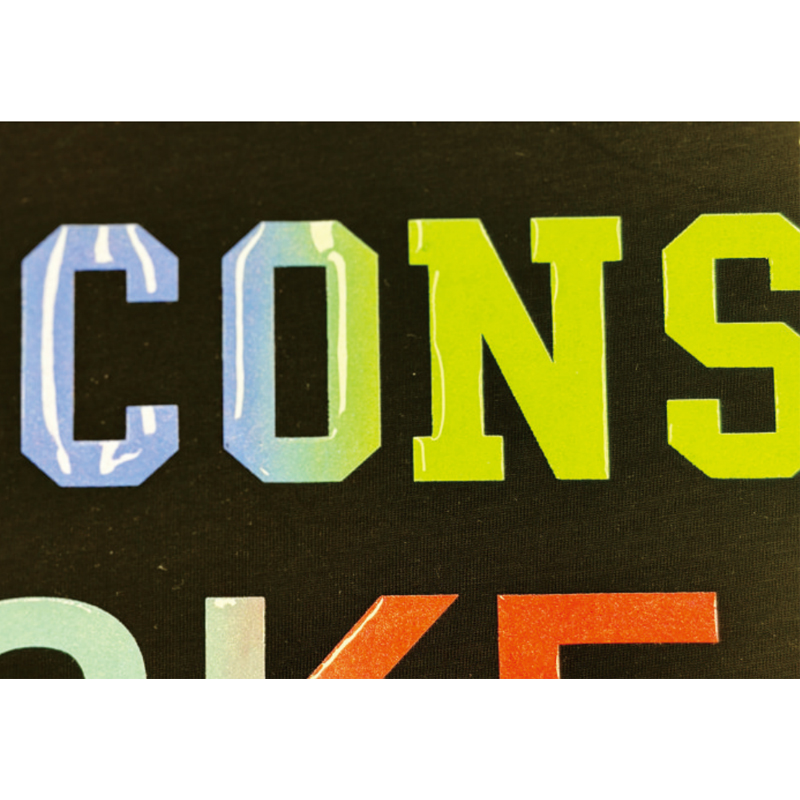
What Is Glossy Silicone?
Glossy Silicone is a silicone-based textile printing material formulated to create a smooth and high-gloss finish on fabric surfaces.
The material can be applied through suitable screen printing processes to produce bright logos, lettering, decorative graphics, and special surface effects. Depending on the printing method and curing conditions, manufacturers can adjust the final appearance, thickness, and tactile characteristics.
The glossy surface can add visual depth to printed designs and provide a more distinctive appearance compared with standard matte printing effects.
Key Features of Glossy Silicone
High-Gloss Surface Effect
The primary characteristic is its bright and reflective surface appearance.
A well-controlled printing process can create a smooth finish that enhances the visual impact of logos, lettering, and decorative graphics.
Smooth Hand Feel
Silicone printing can provide a smooth tactile effect that feels different from many conventional printing materials.
This characteristic can contribute to a premium appearance for fashion and branded garments.
Flexible Printing Layer
Garments are constantly exposed to movement, stretching, folding, and washing.
A flexible silicone printing layer can move with the fabric and help maintain the integrity of the printed design.
Clear Graphic Definition
Proper screen preparation and printing parameters allow manufacturers to reproduce clean shapes, lettering, and graphic details.
This makes the material suitable for both simple logos and more complex decorative designs.
Applications of Glossy Silicone
Fashion Apparel
Fashion brands often use special surface effects to create distinctive garment designs.
High-gloss silicone graphics can be applied to:
- T-shirts
- Hoodies
- Sweatshirts
- Jackets
- Fashion tops
- Designer apparel
The reflective surface can add visual interest to otherwise simple garment designs.
Sportswear
Sportswear manufacturers frequently require flexible printing materials that can withstand repeated garment movement.
Glossy silicone can be used for logos, numbers, lettering, and decorative graphics on sportswear when the material is properly matched to the fabric.
Promotional Garments
Corporate clothing and promotional apparel often require attractive and recognizable branding.
A glossy graphic can create strong visual contrast and make logos more noticeable on the garment surface.
Textile Labels and Logos
Brand labels and logos can benefit from a smooth, bright surface effect.
This can help manufacturers create distinctive branding details for apparel collections.
Benefits for Garment Manufacturers
Enhance Visual Appeal
A high-gloss surface can make printed graphics more noticeable.
The reflective appearance can help logos and decorative elements stand out against the fabric background.
Create Premium Surface Effects
Silicone printing can provide a tactile finish that contributes to the perceived quality of the garment.
Manufacturers can combine gloss with different printing thicknesses and graphic designs to create customized effects.
Maintain Flexibility
Flexible printing is important for sportswear and stretch garments.
A suitable silicone formulation can help the graphic move with the textile while maintaining its overall appearance.
Support Product Differentiation
Special printing effects allow apparel manufacturers to create products with a distinctive visual identity.
Glossy graphics can be particularly useful for fashion collections, limited editions, branded merchandise, and customized apparel.
How Does Glossy Silicone Printing Work?
Prepare the Fabric
The fabric should be clean and properly prepared before printing.
Surface contamination can affect adhesion and the uniformity of the finished graphic.
Prepare the Artwork and Screen
The graphic should be designed according to the desired gloss effect, thickness, and level of detail.
Screen mesh and stencil specifications should be selected according to the application.
Apply the Silicone
The material is transferred through the prepared screen onto the textile.
Printing pressure, squeegee speed, and coating thickness should be controlled to achieve a consistent surface.
Cure the Printed Layer
After application, the printed garment is cured using suitable equipment.
The curing temperature and time should be determined according to the specific formulation, fabric, and production conditions.
How to Choose the Right Silicone Printing Material
Consider Fabric Type
Different fabrics have different surface characteristics.
Potential applications include:
- Polyester
- Nylon
- Cotton
- Cotton blends
- Stretch fabrics
- Performance textiles
Manufacturers should conduct compatibility tests before beginning mass production.
Determine the Desired Gloss Level
Different products may require different surface appearances.
Before selecting a formulation, manufacturers should define whether they need a subtle shine or a stronger high-gloss effect.
Consider Graphic Thickness
Printing thickness can influence surface appearance, flexibility, hand feel, and curing requirements.
Testing different thickness levels can help manufacturers achieve the desired final effect.
Evaluate Durability
Finished garments may be exposed to washing, stretching, abrasion, and daily use.
Manufacturers should perform wash and adhesion tests to evaluate the durability of the complete printing system.
Glossy Silicone for Sportswear and Stretch Fabrics
Sportswear presents special requirements for textile printing because garments need to remain flexible during movement.
A silicone-based printing material can provide a balance between visual appearance and flexibility when correctly matched to the fabric and processing conditions.
For team uniforms, training shirts, fitness apparel, and other performance garments, glossy logos and lettering can provide a distinctive branding effect without requiring rigid printing layers.
Tips for Achieving a Better Glossy Printing Effect
Maintain a Clean Printing Surface
Dust, oil, and other contaminants can affect the uniformity of the printed surface.
Keeping the fabric and printing equipment clean helps improve consistency.
Control Printing Thickness
An uneven layer can result in variations in gloss and surface appearance.
Consistent application thickness is important for large graphic areas and repeated production.
Use Suitable Screen Parameters
Screen mesh and stencil thickness influence the amount of material transferred to the fabric.
Manufacturers should select the appropriate setup according to the desired graphic effect.
Optimize Curing Conditions
Correct curing is important for achieving the required surface properties and durability.
Production parameters should be established through testing rather than relying on a single setting for all fabrics.
Why Choose Caigle?
Professional Textile Printing Material Manufacturer
Caigle specializes in textile printing materials for professional garment and textile applications.
The company serves garment manufacturers, printing factories, wholesalers, distributors, and other international B2B customers.
Consistent Product Quality
Stable printing performance is essential for large-scale garment production.
Caigle applies quality control throughout the manufacturing process to help maintain consistent material characteristics and reliable application performance.
Customized Product Development
Different customers may require different gloss levels, flexibility, surface effects, or application characteristics.
Caigle can provide customized solutions based on fabric type, printing process, equipment, and customer requirements.
OEM and Wholesale Support
Caigle supports international B2B cooperation, including bulk supply, OEM projects, and customized textile printing material development.
This allows distributors and manufacturers to build long-term supply relationships according to their market needs.
Frequently Asked Questions
What is Glossy Silicone used for?
Glossy Silicone is mainly used to create bright, smooth, and visually attractive silicone graphics on garments and textile products.
Can it be used on sportswear?
Yes. It can be suitable for sportswear and stretch garments when the formulation is compatible with the selected fabric and production process.
Can it create raised effects?
Depending on the formulation, screen configuration, and printing process, silicone materials can be used to create raised and dimensional graphics in addition to a glossy surface.
Is it suitable for logos and lettering?
Yes. It is commonly suitable for logos, brand names, numbers, lettering, labels, and decorative textile graphics.
Does Caigle provide wholesale supply?
Yes. Caigle provides textile printing materials for garment factories, textile printing companies, distributors, wholesalers, and other professional B2B customers.
Conclusion
A distinctive surface finish can help textile manufacturers create garments that stand out in competitive apparel markets. Glossy Silicone provides a practical solution for producing smooth, bright, and flexible graphic effects on a wide range of textile products.
Its high-gloss appearance, smooth tactile effect, flexibility, and graphic definition make it suitable for fashion apparel, sportswear, promotional clothing, logos, labels, and customized garments.
With professional manufacturing capabilities, quality management, customized development, and B2B supply support, Caigle provides silicone printing materials designed to meet the needs of international garment manufacturers and textile printing companies.