
High Density Underbase is a specialized textile printing material designed to create stable base layers for garments requiring strong coverage, dimensional effects, and consistent graphic performance. In professional textile printing, the underbase layer plays an important role in supporting subsequent colors and helping manufacturers achieve clearer, more uniform finished designs.
For garment printing factories, selecting the right base material can influence opacity, print definition, color appearance, adhesion, and overall production efficiency. A properly formulated high-density base can provide a reliable foundation for multi-layer printing systems, especially when working with dark-colored fabrics or designs that require a more dimensional appearance.
Caigle provides professional textile printing materials for garment manufacturers, textile printing factories, distributors, wholesalers, and other B2B customers.
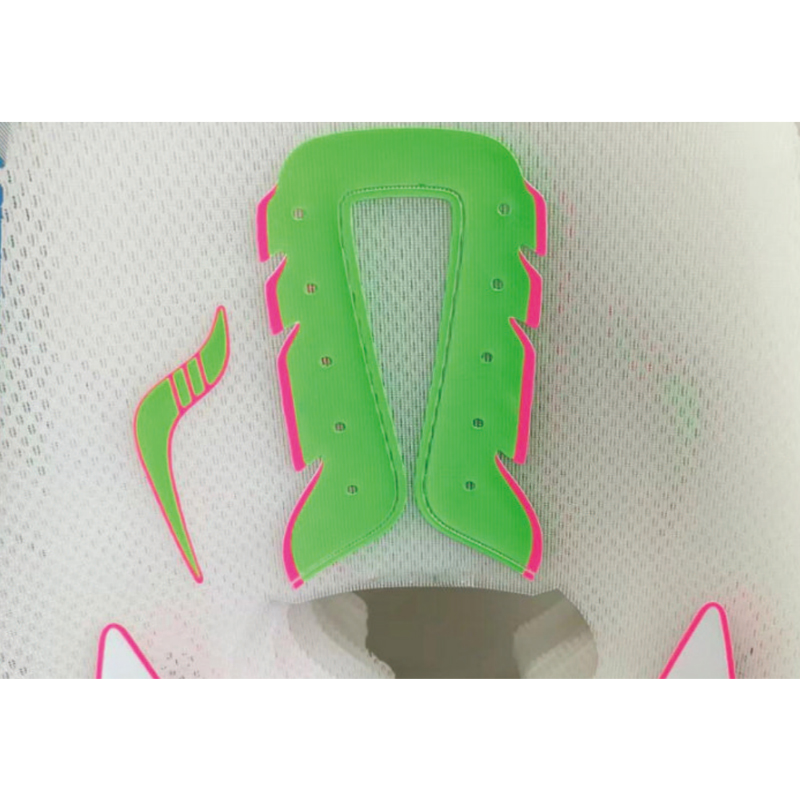
What Is High Density Underbase?
High Density Underbase is a textile printing material used as a foundation layer beneath other printed colors or decorative layers.
The underbase helps improve coverage and creates a more stable surface for subsequent printing. Depending on the formulation and printing process, it can also support raised or dimensional textile graphics.
This type of material is particularly useful when manufacturers need to print on dark fabrics, strongly colored textiles, or garments where clear color separation is important.
Key Features of High Density Underbase
Strong Coverage Performance
A reliable underbase layer can help improve the opacity of subsequent colors.
This is especially important when light-colored graphics are printed on dark textile backgrounds.
Stable Printing Foundation
The base layer provides a more uniform surface for additional colors or printing effects.
A properly applied underbase can help improve the consistency of the complete graphic.
Support for Dimensional Effects
Depending on the printing process and application thickness, high-density materials can be used to create a more noticeable raised effect.
This provides additional design possibilities for fashion apparel, logos, and decorative garment graphics.
Good Graphic Definition
Controlled material application can help maintain clearer shapes and edges.
This is important for logos, lettering, patterns, and other designs that require consistent reproduction.
Applications of High Density Underbase
Dark Garment Printing
Dark fabrics can create challenges when light colors are printed directly onto the textile.
An effective underbase can help create a suitable foundation and improve the visibility of the final printed design.
Typical applications include:
- Black T-shirts
- Dark hoodies
- Sportswear
- Promotional garments
- Fashion apparel
High-Density Textile Graphics
Dimensional printing effects are increasingly used by garment brands seeking distinctive product designs.
A high-density base layer can contribute to the development of raised logos, lettering, and decorative patterns.
Multi-Layer Printing
Some textile graphics require multiple colors or specialized surface effects.
A stable foundation layer can support subsequent printing and help improve overall color consistency.
Branding and Logo Applications
Company logos and brand graphics often require clear edges and strong visual contrast.
A suitable underbase can support consistent logo reproduction across large garment production batches.
Benefits for Garment Manufacturers
Improve Color Visibility
Light colors can be affected by dark fabric backgrounds.
A suitable foundation layer helps reduce the influence of the underlying textile color and supports stronger visual contrast.
Create More Consistent Graphics
A stable printing base can help reduce variations between different printed areas.
This is particularly valuable for large production orders where consistency is important.
Support Special Printing Effects
Manufacturers can combine an underbase layer with different colors and decorative printing materials.
This provides greater flexibility when developing customized garment designs.
Improve Production Efficiency
Stable material performance can reduce unnecessary adjustments during printing.
By establishing suitable application parameters, manufacturers can create a more consistent production workflow.
How Does High Density Underbase Work?
Prepare the Fabric
The textile should be evaluated before printing to determine its composition, surface characteristics, and compatibility with the selected printing material.
Different fabrics may require different production parameters.
Prepare the Printing Screen
Screen mesh and stencil thickness influence the amount of material transferred to the garment.
The appropriate screen setup should be selected according to the desired coverage and printing effect.
Apply the Base Layer
The material is applied to the fabric to create a foundation for subsequent printing.
Application thickness should be controlled to achieve the desired balance between coverage, flexibility, and surface appearance.
Add Additional Printing Layers
After the base layer has been processed according to the production requirements, additional colors or decorative layers can be applied.
Each layer should be compatible with the overall printing system.
How to Choose the Right High-Density Printing Material
Consider the Fabric Type
Different fabrics can have different surface properties.
Common applications may include:
- Cotton
- Polyester
- Cotton blends
- Performance textiles
- Stretch fabrics
Manufacturers should test the selected printing system on the actual production fabric.
Determine the Required Coverage
The level of opacity required depends on the fabric color and final graphic design.
Dark garments may require a different underbase system compared with light-colored textiles.
Consider the Desired Printing Effect
Manufacturers should determine whether the final design requires:
- Flat graphics
- Strong coverage
- Raised effects
- Dimensional logos
- Multi-layer printing
The selected material should match the intended visual result.
Evaluate Production Requirements
Printing speed, equipment type, screen specifications, and processing conditions can all affect material performance.
Testing under actual production conditions helps establish suitable parameters before mass manufacturing.
High Density Underbase for Dark Fabrics
Dark fabrics are widely used in fashion apparel, promotional clothing, and sportswear. However, dark textile colors can affect the appearance of light-colored printing inks and decorative graphics.
A suitable underbase layer can create a more stable foundation between the fabric and the final printed colors. This can help manufacturers achieve clearer color separation and a more uniform appearance.
For large graphic areas, logos, lettering, and detailed designs, manufacturers should optimize application thickness and screen preparation according to the actual garment and production requirements.
High Density Underbase for Raised Printing Effects
Dimensional textile printing provides an additional visual and tactile element for garment designs.
By controlling the thickness of the base layer, manufacturers can create different levels of height and texture. The final effect may depend on the material formulation, screen configuration, number of printing passes, and processing conditions.
Raised effects can be used for:
- Brand logos
- Lettering
- Decorative patterns
- Sportswear graphics
- Fashion designs
- Promotional branding
Production testing is important to achieve the desired balance between graphic height and garment flexibility.
Production Tips for Better Underbase Printing
Maintain Consistent Application Thickness
Uneven material application can affect both coverage and the final appearance of the graphic.
Consistent screen preparation and printing parameters can help improve production uniformity.
Select Suitable Screen Specifications
Screen mesh and stencil thickness should be selected according to the required coverage and dimensional effect.
The appropriate configuration can help manufacturers achieve more consistent material transfer.
Control Printing Pressure
Printing pressure can influence the amount of material applied to the fabric.
Maintaining stable operating conditions can help reduce differences between production batches.
Optimize Processing Conditions
Drying and curing conditions should be determined according to the specific formulation and production equipment.
Testing should be completed before final production parameters are established.
Common Challenges in High-Density Underbase Printing
Uneven Coverage
Insufficient or uneven material application can result in variations in the appearance of subsequent colors.
Consistent screen setup and printing parameters can help reduce this problem.
Excessive Thickness
Applying too much material can affect garment flexibility and surface feel.
Manufacturers should balance coverage requirements with the functional requirements of the finished product.
Fabric Compatibility Issues
Different textiles may require different printing formulations and processing conditions.
Testing the complete system on the actual fabric can help identify potential compatibility concerns.
Inconsistent Graphic Definition
Screen preparation and artwork design can influence edge clarity.
Proper process control can help maintain consistent shapes and graphic details.
Why Choose Caigle?
Professional Textile Printing Material Manufacturer
Caigle focuses on the development and manufacturing of professional textile printing materials for garment applications.
The company serves garment manufacturers, textile printing factories, distributors, wholesalers, and other B2B customers in international markets.
Stable Product Performance
Consistent material characteristics are important for large-scale textile production.
Caigle applies quality management procedures to help maintain stable product performance across different production batches.
Customized Printing Solutions
Different fabrics, garment designs, and production systems may require different material characteristics.
Caigle can provide customized solutions based on fabric composition, application requirements, printing equipment, and customer specifications.
OEM and Wholesale Support
Caigle supports B2B customers with bulk supply, customized product development, and OEM cooperation.
This provides garment manufacturers and distributors with flexible options for long-term business cooperation.
Frequently Asked Questions
What is High Density Underbase used for?
High Density Underbase is primarily used as a foundation layer for textile printing applications that require strong coverage, improved color visibility, or dimensional printing effects.
Can it be used on dark fabrics?
Yes. A suitable underbase layer can help support light-colored graphics and improve visual separation from dark textile backgrounds.
Can it create raised printing effects?
Depending on the formulation, screen configuration, and printing process, high-density materials can contribute to raised and dimensional textile graphics.
Is it suitable for multi-layer printing?
Yes. A stable underbase can provide a foundation for subsequent colors and decorative printing layers.
Does Caigle provide OEM and wholesale services?
Yes. Caigle provides professional textile printing materials and customized solutions for garment manufacturers, textile printing factories, distributors, wholesalers, and other B2B customers.
Conclusion
A stable printing foundation is an important part of achieving consistent textile graphics, particularly on dark fabrics and applications requiring multiple layers or dimensional effects. High Density Underbase provides garment manufacturers with a practical solution for creating strong coverage and a reliable base for professional textile printing.
Its ability to support improved color visibility, graphic definition, and specialized surface effects makes it suitable for fashion apparel, sportswear, promotional garments, branded clothing, and customized textile products.
For the best results, manufacturers should evaluate the complete printing system, including fabric composition, screen configuration, application thickness, additional printing layers, and processing conditions.
Caigle provides professional textile printing materials, customized development, quality management, and B2B supply services to support garment manufacturers and textile printing companies in developing reliable and efficient printing solutions.