
Matte Top Coating is a specialized surface treatment material designed for textile printing applications that require a smooth, low-gloss, and refined finish. In modern garment decoration, the final surface appearance can significantly influence the visual quality and overall feel of a printed design.
For fashion brands, garment manufacturers, and textile printing factories, a matte surface can provide a more understated appearance compared with glossy printing effects. When used as part of a suitable printing system, a top coating can help create a consistent finish while supporting the appearance and performance requirements of different textile applications.
Caigle develops professional textile printing materials for garment manufacturers, textile printing factories, distributors, wholesalers, and other B2B customers.
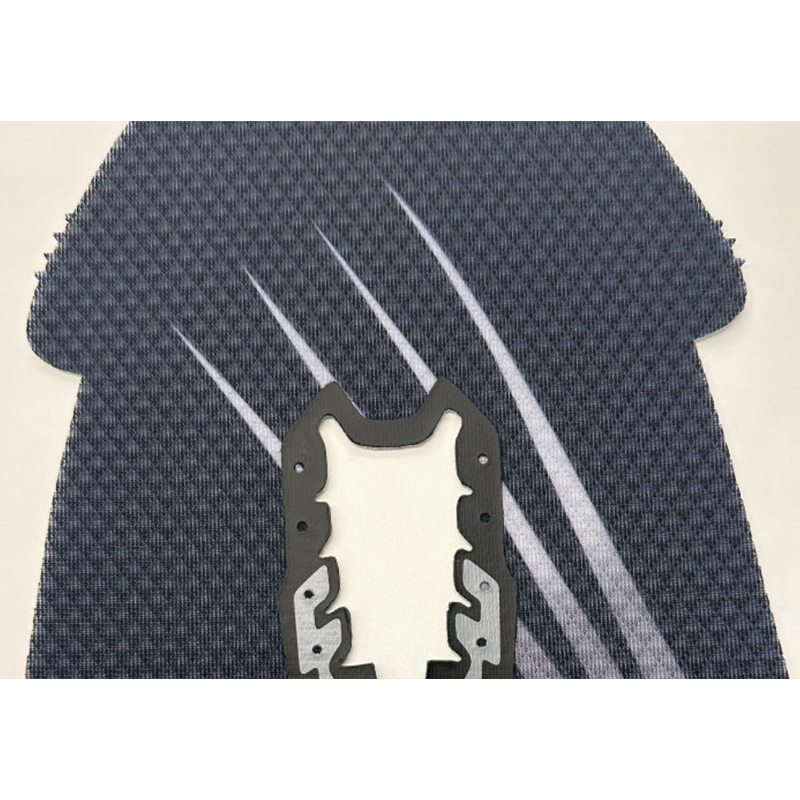
What Is Matte Top Coating?
Matte Top Coating is a surface coating material applied as a finishing layer in suitable textile printing systems. Its primary purpose is to help create a controlled matte surface effect while contributing to a more uniform final appearance.
Unlike glossy finishes that reflect more light, a matte surface provides lower reflectivity and a softer visual effect. This makes it suitable for garment designs where a subtle and refined appearance is preferred.
The final performance of the coating can depend on the material formulation, printing process, coating thickness, fabric type, and processing conditions.
Key Features of Matte Top Coating
Smooth Matte Surface
A key feature of a matte finishing layer is its ability to create a low-gloss appearance.
This can help reduce excessive surface reflection and create a more uniform visual effect on printed graphics.
Refined Garment Appearance
Matte finishes are widely used in fashion and branded apparel because they can create a clean and sophisticated surface effect.
The final result can complement both simple logos and more complex decorative graphics.
Support for Different Printing Systems
A top coating may be incorporated into different professional textile printing processes depending on material compatibility.
Manufacturers should evaluate the complete printing system to determine suitable combinations of inks, pastes, base layers, and coatings.
Consistent Surface Finish
A properly controlled application process can help improve consistency across printed areas.
This is particularly important for large production orders where manufacturers need to maintain a similar appearance from one garment to another.
Applications of Matte Top Coating
Fashion Apparel
Fashion brands often prefer surface finishes that support a modern and understated visual style.
Matte printing effects can be applied to:
- T-shirts
- Hoodies
- Sweatshirts
- Jackets
- Casual apparel
- Designer garments
A controlled matte surface can complement different garment colors and design styles.
Sportswear
Sportswear often requires printing materials that combine attractive appearance with suitable flexibility.
A compatible top coating can be used as part of a complete printing system for logos, graphics, and decorative elements.
Promotional Clothing
Corporate apparel and promotional garments frequently include logos and printed graphics.
A matte finish can provide an alternative to glossy decorative effects and help create a more professional appearance.
Brand Logos and Labels
Logos, lettering, labels, and other brand elements can benefit from a consistent surface finish.
A suitable top layer can help manufacturers achieve the intended visual effect for different garment collections.
Benefits for Garment Manufacturers
Create a Modern Matte Appearance
Matte finishes are often associated with a subtle and contemporary visual style.
They can provide an alternative for brands that prefer lower-gloss garment decoration.
Improve Surface Consistency
A finishing layer can help create a more uniform appearance across the printed graphic.
Consistent application is particularly important for large designs and commercial production.
Expand Design Possibilities
Different surface effects allow garment manufacturers to develop a wider range of products.
Matte, glossy, raised, and textured effects can be used according to the requirements of different markets and collections.
Support Product Differentiation
Surface finish is one way for apparel brands to distinguish their products.
A carefully selected matte effect can add visual character without relying on highly reflective or complex decorative techniques.
How Does Matte Top Coating Work?
Prepare the Printed Surface
Before applying the finishing layer, the underlying print should be properly prepared according to the requirements of the selected production system.
The compatibility of the base layer and top coating should be evaluated before production.
Select a Suitable Application Method
The coating process may vary depending on the textile, equipment, and desired surface effect.
Manufacturers should select an appropriate application method based on their production requirements.
Apply the Top Layer
The finishing material is applied over the selected printed surface.
Application thickness should be controlled to help achieve a consistent appearance.
Process the Finished Garment
After application, the garment should be processed under suitable conditions according to the technical requirements of the selected formulation.
Production testing is recommended before establishing final manufacturing parameters.
How to Choose the Right Matte Top Coating
Consider the Fabric Type
Different fabrics have different surface characteristics and may require different printing systems.
Common textile applications may include:
- Cotton
- Polyester
- Cotton blends
- Stretch fabrics
- Performance textiles
Compatibility should be tested using the actual production fabric.
Define the Required Surface Effect
Manufacturers should determine the desired appearance before selecting a finishing material.
Important considerations may include:
- Matte level
- Surface smoothness
- Flexibility
- Hand feel
- Graphic appearance
- Production requirements
Evaluate Compatibility
The top layer should be compatible with the underlying printing material.
Testing the complete system can help manufacturers avoid problems related to adhesion, appearance, or processing.
Test Durability
Finished garments may experience washing, stretching, folding, and everyday wear.
Wash testing and other relevant performance evaluations should be completed before mass production.
Matte Top Coating for Fashion Apparel
Fashion apparel often focuses on the relationship between graphic design, fabric texture, and surface appearance.
A low-gloss finish can create a subtle decorative effect that integrates naturally with the garment. This makes it suitable for minimalist logos, tonal designs, fashion graphics, and premium branding applications.
For manufacturers producing different apparel collections, surface finishing materials can provide additional flexibility when developing customized visual effects.
Matte Top Coating for Textile Logos
Brand logos are an important application for specialized surface finishes.
Depending on the garment design, a highly reflective surface may not always match the desired visual identity. A controlled matte finish can provide a more understated appearance while maintaining clear graphic definition.
This can be useful for corporate uniforms, fashion branding, sportswear logos, and promotional garments.
Production Tips for Better Matte Finishing Results
Maintain Consistent Application
Uneven coating thickness can result in visible differences in the final surface appearance.
Stable printing parameters can help improve consistency.
Test Material Compatibility
The interaction between the top coating, underlying print, and fabric should be evaluated before mass production.
Testing can help identify potential compatibility issues.
Control Processing Conditions
Temperature, processing time, and equipment settings may influence the final coating performance.
Manufacturers should establish suitable production parameters through testing.
Evaluate the Finished Product
Finished garments should be evaluated for visual appearance, flexibility, adhesion, and other relevant performance requirements.
Testing before large-scale production can help reduce production risks.
Common Challenges in Matte Surface Finishing
Uneven Surface Appearance
Differences in application thickness can affect the consistency of the final matte effect.
Proper equipment settings and controlled application can help reduce variations.
Compatibility Issues
Not all coatings are suitable for every printing material or textile.
The complete system should be tested to ensure reliable performance.
Reduced Flexibility
An excessively thick finishing layer may affect the flexibility of the garment.
Manufacturers should balance surface appearance with the functional requirements of the textile.
Processing Variations
Changes in processing conditions can influence the final appearance.
Maintaining standardized production parameters can help improve consistency.
Why Choose Caigle?
Professional Textile Printing Material Manufacturer
Caigle specializes in the development and manufacturing of professional textile printing materials.
The company serves garment manufacturers, textile printing factories, distributors, wholesalers, and other B2B customers in international markets.
Stable Product Performance
Consistent material characteristics are important for commercial textile production.
Caigle applies quality management procedures to help maintain reliable product performance.
Customized Product Solutions
Different customers may have different requirements for surface appearance, flexibility, fabric compatibility, and production processes.
Caigle can provide customized textile printing solutions based on specific application requirements.
OEM and Wholesale Support
Caigle supports B2B customers with bulk supply, OEM cooperation, and customized product development.
This provides garment manufacturers and distributors with flexible options for long-term cooperation.
Frequently Asked Questions
What is Matte Top Coating used for?
Matte Top Coating is used as a finishing material in suitable textile printing systems to help create a smooth and low-gloss surface appearance.
Can it be used for garment printing?
Yes. It can be incorporated into compatible garment printing systems depending on the fabric, underlying printing material, and production requirements.
Can it be applied to logos?
A suitable matte finishing system can be used for logos, lettering, labels, and decorative graphics where a low-gloss appearance is desired.
What fabrics can it be used on?
Suitability depends on the specific formulation and printing system. Fabric compatibility should be confirmed through production testing.
Does Caigle provide OEM and wholesale services?
Yes. Caigle provides professional textile printing materials and customized solutions for garment manufacturers, textile printing factories, distributors, wholesalers, and other B2B customers.
Conclusion
Surface appearance plays an important role in modern garment design and textile printing. Matte Top Coating provides a practical finishing solution for manufacturers seeking a smooth, refined, and low-gloss appearance for printed textile products.
It can support a wide range of garment applications, including fashion apparel, sportswear, promotional clothing, logos, labels, and customized textile designs.
For reliable results, manufacturers should evaluate the complete printing system, including fabric type, underlying printing materials, application thickness, processing conditions, and durability requirements.
With professional manufacturing capabilities, customized development, quality management, and B2B supply support, Caigle provides textile printing materials designed to meet the practical needs of garment manufacturers and professional textile printing companies.