
Garment branding has evolved beyond traditional printed graphics and sewn labels. Fashion brands, sportswear manufacturers and textile factories increasingly use surface decoration to create recognizable logos, lettering and functional branding elements. The Silicone Transfer Label Series provides a specialized option for producing silicone-based transfer graphics on suitable textile products.
Silicone transfer labels can combine visual definition with a distinctive surface texture. Depending on the design and material system, manufacturers can create smooth, raised, matte or other decorative effects.
For B2B garment production, the selection of a suitable transfer material is important because the final result depends on more than the appearance of the label. Fabric type, elasticity, transfer temperature, pressure, time and washing requirements all need to be considered during product development.
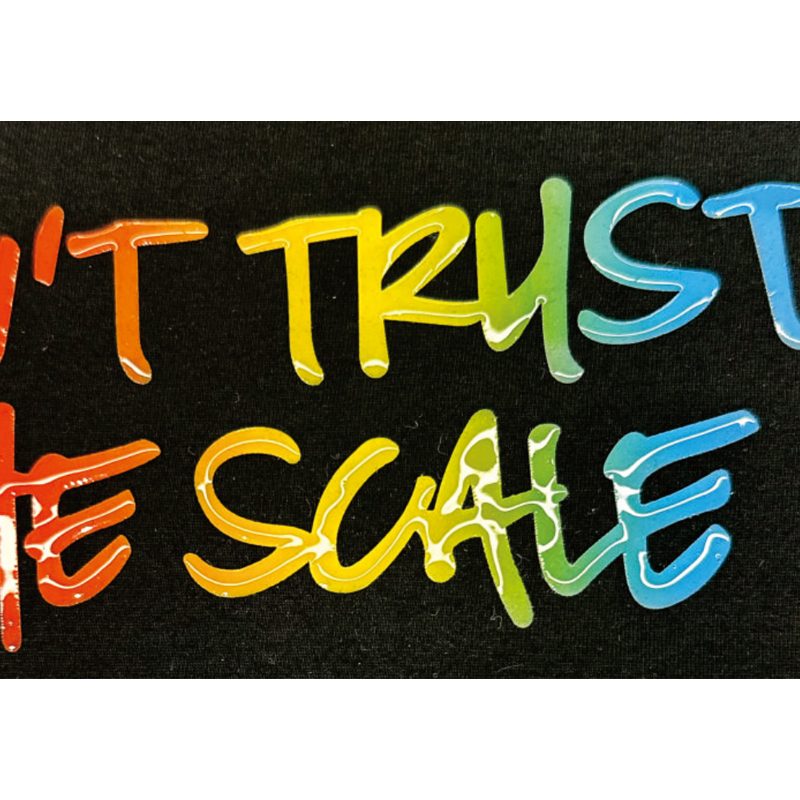
What Is the Silicone Transfer Label Series?
The Silicone Transfer Label Series is a category of silicone-based materials designed for transfer decoration and branding applications.
A transfer label can be prepared with a specific graphic, logo, letter or decorative pattern and then applied to a suitable textile substrate through a controlled heat-transfer process.
Compared with directly printing every graphic onto the fabric, transfer technology can provide another production option for manufacturers working with complex logos, repeated branding elements or specific surface effects.
The final appearance and performance depend on the transfer material, fabric compatibility and processing parameters.
Why Use Silicone Transfer Labels?
Garment manufacturers may choose transfer labels for several reasons.
Distinctive Surface Appearance
Silicone materials can provide a different visual and tactile effect from conventional flat textile printing.
A raised logo, textured mark or smooth silicone graphic can become part of the garment’s overall design.
Flexible Decorative Possibilities
The Silicone Transfer Label Series can be considered for different graphic styles, including brand names, logos, numbers and decorative elements.
Designers can develop transfer graphics according to the visual identity of the finished garment.
Suitable for Modern Apparel
Sportswear, casualwear and fashion garments frequently use branding elements on sleeves, chest areas, collars and other locations.
Silicone transfer technology provides manufacturers with another option for adding these details.
Applications of the Silicone Transfer Label Series
The Silicone Transfer Label Series can be evaluated for different textile and garment applications.
Sportswear
Sportswear often uses logos, numbers and lettering as important design components.
Because sports fabrics may contain elastic fibers, the transfer system needs to be evaluated for flexibility and adhesion.
The Silicone Transfer Label Series can be considered when a manufacturer needs a flexible decorative element with a distinctive surface effect.
Activewear
Yoga wear, training apparel and other activewear products often use stretch fabrics.
For these garments, the printed or transferred graphic needs to accommodate the movement of the fabric. Material selection and transfer conditions should therefore be tested on the actual substrate.
Fashion Apparel
Fashion brands may use silicone labels to create a more recognizable visual identity.
Raised lettering, logos and decorative graphics can be incorporated into shirts, jackets, hoodies and other garments.
The final design can combine silicone transfer details with conventional textile printing to create different levels of surface texture.
Outdoor Garments
Outdoor apparel may use synthetic and coated textile materials.
The suitability of a Silicone Transfer Label Series for these applications depends on the fabric construction, surface treatment and required durability. Sample testing is recommended before production.
Accessories and Textile Products
Selected bags, textile accessories and other products can also incorporate silicone transfer graphics.
Applications should be evaluated individually because fabric composition and surface treatment can differ significantly between products.
Main Factors Affecting Silicone Transfer Performance
The Silicone Transfer Label Series is only one part of the complete transfer process. Several production variables can influence the final result.
Fabric Compatibility
Different fabrics have different surface characteristics.
Cotton, polyester, nylon, spandex blends and coated fabrics may require different transfer conditions.
Before production, manufacturers should test the label on the actual fabric rather than relying only on results from another material.
Transfer Temperature
Heat is required to activate the transfer process, but the appropriate temperature depends on the specific material system and fabric.
Excessive heat can affect sensitive fabrics, while insufficient heat may lead to incomplete transfer.
The recommended technical parameters should therefore be followed during production testing.
Transfer Pressure
Pressure affects contact between the transfer graphic and the fabric.
Uneven pressure can result in inconsistent transfer quality, especially when working with textured fabrics or large graphics.
Production equipment should be checked regularly to maintain stable pressure.
Transfer Time
Processing time also influences the final result.
A consistent combination of temperature, pressure and time should be established during sample development and then maintained throughout mass production.
Surface Effects Available With Silicone Transfer Technology
One advantage of silicone-based decoration is the ability to create different surface characteristics.
Raised Silicone Effect
A raised transfer graphic can create a three-dimensional appearance.
This can be useful for logos and lettering that need to stand out from the garment surface.
Matte Surface
Matte silicone effects can provide a more understated appearance and may be suitable for minimalist fashion designs.
Smooth Surface
Smooth silicone graphics can be used where manufacturers want a clean and relatively simple branding effect.
Textured Effects
Texture can be incorporated into selected designs to create a different tactile experience.
The exact effect depends on the formulation, mold or transfer construction and production process.
Caigle’s silicone product portfolio includes different silicone materials such as white silicone, elastic silicone, glossy cover silicone, matte cover silicone and embossed silicone, illustrating the range of surface effects available within its silicone material system.
Silicone Transfer Labels vs. Direct Textile Printing
Both transfer decoration and direct printing can be useful in garment manufacturing, but they serve different production needs.
Direct printing applies the printing material directly onto the fabric. This approach can be efficient for many conventional textile graphics and large-area designs.
Transfer decoration creates the graphic separately before applying it to the textile.
The choice depends on factors such as:
- Graphic complexity
- Production quantity
- Fabric type
- Required surface effect
- Garment construction
- Equipment
- Production workflow
- Desired hand feel
The Silicone Transfer Label Series can therefore be considered as an additional solution rather than a universal replacement for direct textile printing.
Combining Silicone Transfer Labels With Other Printing Materials
Modern garment designs often combine several decoration technologies.
A garment may use water-based printing paste for a large background graphic and silicone transfer technology for a logo or raised detail.
This approach can create contrast between flat and dimensional areas.
Caigle’s website identifies Silicone Series and Silicone Transfer Label Series as separate categories within its overall product structure, alongside Paste Series, Digital Coating Ink Series and Shoe Materials Series.
For manufacturers handling different types of garment orders, this broader material structure can make it easier to evaluate different decoration methods for different products.
Quality Testing for Silicone Transfer Labels
Before mass production, the finished transfer should be tested under conditions that reflect actual garment use.
Important testing areas include:
- Adhesion
- Surface appearance
- Flexibility
- Stretch recovery
- Washing performance
- Rubbing resistance
- Edge definition
- Transfer consistency
- Color stability
- Hand feel
For sportswear and stretch garments, repeated stretching can also be included in the evaluation.
For large production orders, an approved sample should be retained as a production reference.
How to Improve Production Consistency
Consistent transfer quality depends on both equipment and process management.
Manufacturers should keep the following parameters under control:
- Fabric preparation
- Transfer graphic quality
- Temperature
- Pressure
- Transfer time
- Cooling conditions
- Storage conditions
- Final inspection
A standardized production procedure can help reduce variation between operators and production batches.
The Silicone Transfer Label Series should also be stored according to the supplier’s recommendations to maintain material stability before use.
Choosing the Right Silicone Transfer Label
There is no single transfer label suitable for every garment.
When selecting the Silicone Transfer Label Series, manufacturers should consider the final fabric, garment application, graphic design, required surface effect and expected washing conditions.
For highly elastic garments, flexibility is particularly important.
For fashion products, surface appearance may receive greater attention.
For workwear or frequently washed garments, adhesion and durability testing may become more important.
This application-based selection process can help manufacturers avoid choosing a material simply because it performs well on another type of fabric.
Why Choose a Professional Silicone Material Supplier?
Professional textile printing manufacturers often need more than a single material. Different customers may work with cotton, polyester, nylon, elastic fabrics, shoes, bags and other textile products.
Caigle’s product system covers multiple textile printing categories, including Paste Series, Digital Coating Ink Series, Silicone Series, Silicone Transfer Label Series and Shoe Materials Series.
This broader product structure supports different textile decoration requirements and gives B2B customers more options when developing new printing applications.
Frequently Asked Questions
What is a Silicone Transfer Label used for?
A silicone transfer label can be used for logos, brand names, numbers, decorative graphics and other garment identification or decoration elements.
Can silicone transfer labels be used on sportswear?
They can be evaluated for sportswear and other stretch garments, but fabric compatibility and flexibility should be tested before mass production.
Are silicone transfer labels suitable for fashion garments?
Yes, silicone-based transfer graphics can be considered for fashion garments where designers want a distinctive surface appearance or tactile effect.
What affects transfer quality?
Fabric type, temperature, pressure, time, transfer graphic quality and equipment conditions can all influence the final result.
Should manufacturers test samples before bulk orders?
Yes. Sample testing on the actual production fabric is recommended because different textile substrates can respond differently to the same transfer process.
Conclusion
The Silicone Transfer Label Series offers garment manufacturers another way to create distinctive branding and decorative effects on textile products.
Its potential applications include sportswear, activewear, fashion apparel, outdoor garments and selected textile accessories. Depending on the design and production process, silicone transfer technology can provide smooth, raised, matte or textured surface effects.
For commercial B2B production, successful transfer decoration depends on selecting the right material and controlling fabric compatibility, temperature, pressure and transfer time.
By combining appropriate silicone transfer materials with standardized production and quality testing, textile manufacturers can develop consistent garment branding solutions for different markets and product categories.